Prophet Muhammad ﷺ and the Purity of Heart
പ്രവാചകൻ മുഹമ്മദ് ﷺ — സമൂഹത്തിന്റെ ഉന്നമനത്തിനായി ചിന്തിച്ച നേതാവ് പ്രവാചകൻ മുഹമ്മദ് ﷺ ഒരു മഹാനായ നേതാവും ദൂതനുമായിരുന്നു — എന്നാൽ അദ്ദേഹത്തിന്റെ ഏറ്റവും വലിയ...
Read MoreA Place of Faith, Knowledge & Peace. Connect with us: mohyuddin.in@gmail.com
Mohyuddin is a platform devoted to nurturing peace, empathy, and spiritual growth among people. Our mission is to stand against the misuse of Islam’s name in violence, remove misconceptions about Muslims, and share the true spiritual essence of Islamic teachings with the world.
Through education, dialogue, and compassion, we aim to strengthen unity, encourage understanding, and build a more harmonious and peaceful world.
Join us on this journey of love, clarity, and inner peace — together, let’s make the world a kinder place.
മൊഹ്യുദ്ദീനിലേക്ക് ഹൃദയപൂർവ്വം സ്വാഗതം!
മനുഷ്യരിൽ സമാധാനം, സഹഅനുഭൂതി, ആത്മീയ വളർച്ച എന്നിവ വളർത്തുന്നതിനായി രൂപം കൊണ്ട ആത്മീയ വേദിയാണ്
മൊഹ്യുദ്ദീൻ.
ഇസ്ലാമിന്റെ പേരിൽ നടക്കുന്ന അക്രമങ്ങളെയും തെറ്റായ പ്രചാരണങ്ങളെയും ചെറുക്കുകയും, മുസ്ലിം സമൂഹത്തെക്കുറിച്ചുള്ള
തെറ്റിദ്ധാരണകൾ നീക്കുകയും, ഇസ്ലാമിന്റെ യഥാർത്ഥ ആത്മീയ സന്ദേശം ലോകത്തേക്ക് എത്തിക്കുകയുമാണ് ഞങ്ങളുടെ ദൗത്യം.
വിദ്യാഭ്യാസം, സംവാദം, കരുണ എന്നീ മൂല്യങ്ങളിലൂടെ മനുഷ്യരിൽ ഐക്യം വളർത്താനും, ഭിന്നതകളെ മറികടന്ന് മനസ്സിലാക്കലും സൗഹൃദവും പ്രോത്സാഹിപ്പിക്കാനും ഞങ്ങൾ ശ്രമിക്കുന്നു.
സ്നേഹത്തിന്റെയും സമാധാനത്തിന്റെയും പാതയിലൂടെ — വ്യക്തതയുടെയും ആന്തരിക ശാന്തിയുടെയും ഈ യാത്രയിൽ — മൊഹ്യുദ്ദീനിനൊപ്പം ചേരൂ.
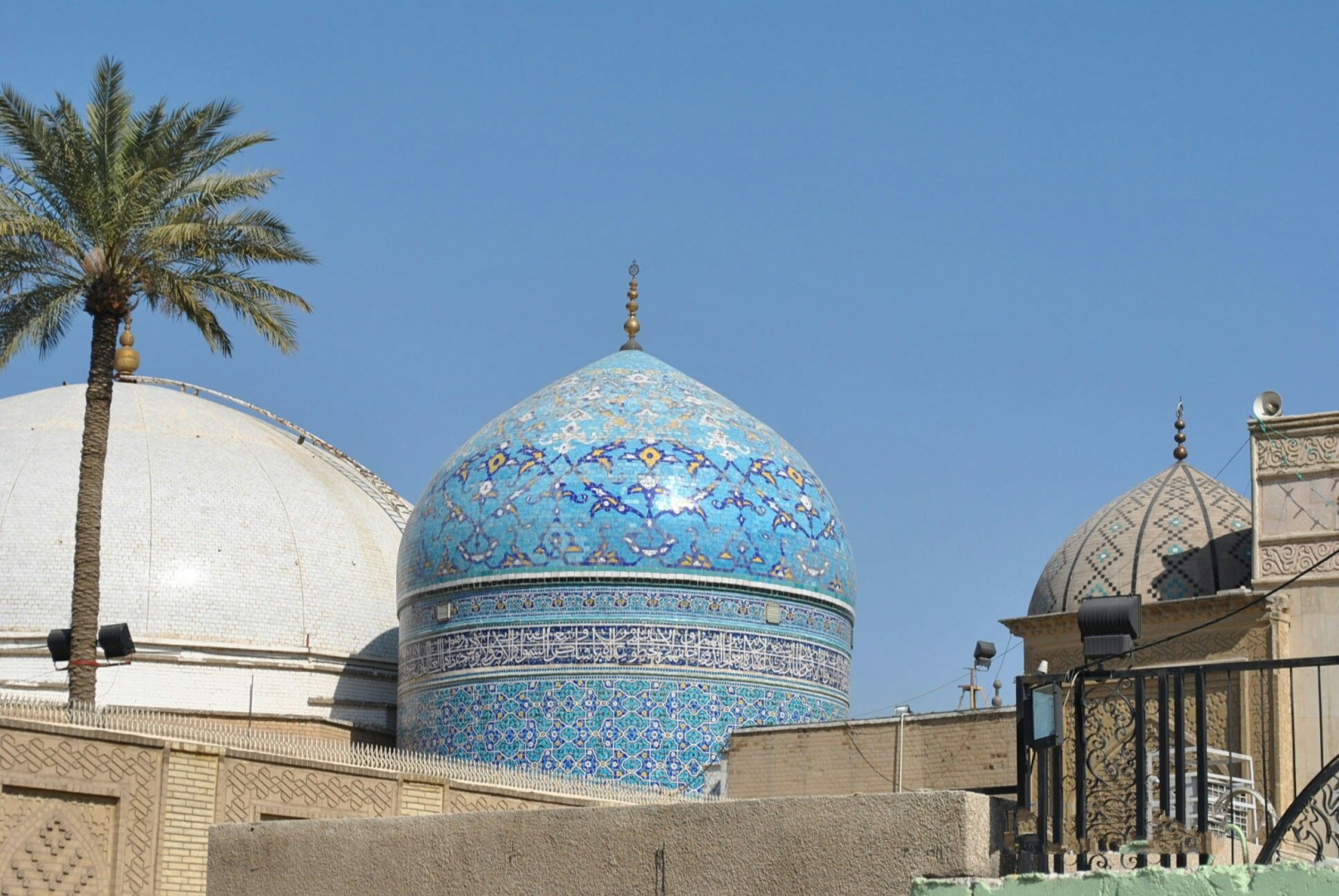
— Hazrat Sheikh Abdul Qadir Jilani (R.A)
At Mohyuddin, we explore the rich and mystical traditions of Sufism — the spiritual dimension of Islam that emphasizes inner purification, love, and devotion to the Divine. Through the Sufi path, we share teachings and practices that nurture spiritual awakening, compassion, and unity. Discover the wisdom of Sufi poets, scholars, and saints, and learn how their timeless teachings can inspire a life filled with peace, reflection, and connection with the Divine.
മൊഹ്യുദ്ദീനിൽ, ഞങ്ങൾ ഇസ്ലാമിന്റെ ആത്മീയ മാനമായ സൂഫിസത്തിന്റെ സമ്പന്നവും നിഗൂഢവുമായ പാരമ്പര്യങ്ങളിലേക്ക് ആഴ്ന്നിറങ്ങുന്നു, ഇത് ആന്തരിക ശുദ്ധീകരണം, സ്നേഹം, ദൈവത്തോടുള്ള ഭക്തി എന്നിവ ഊന്നിപ്പറയുന്നു. സൂഫി പാത പര്യവേഷണം ചെയ്യുന്നതിലൂടെ, ആത്മീയ ഉണർവ്, കരുണ, ഐക്യം എന്നിവ പ്രോത്സാഹിപ്പിക്കുന്ന പഠനങ്ങളും സമ്പ്രദായങ്ങളും പങ്കിടാൻ ഞങ്ങൾ ശ്രമിക്കുന്നു. സൂഫി കവികളുടെ, പണ്ഡിതന്മാരുടെ, വിശുദ്ധന്മാരുടെ ജ്ഞാനം കണ്ടെത്തുക, അവരുടെ കാലാതീതമായ പഠനങ്ങൾ എങ്ങനെ സമാധാനം, ചിന്ത, ദൈവവുമായുള്ള ബന്ധം എന്നിവയാൽ നിറഞ്ഞ ഒരു ജീവിതത്തെ പ്രചോദിപ്പിക്കുമെന്ന് മനസ്സിലാക്കുക.
Source: Sahih al-Bukhari, 6502
Note: This is a Hadith Qudsi — a divine saying — expressing that when a servant draws close to Allah through love and devotion, every act and sense becomes guided by the Divine will.
Prophet Muhammad (peace be upon him) lived a life defined by compassion, fairness, and mercy. He never harbored hatred toward anyone because of their religion, race, or origin. Instead, he valued people for their character and actions. He firmly opposed injustice, cruelty, and arrogance — no matter who displayed them.
The Qur’an beautifully captures his principle of coexistence in Surah Al-Kafirun (109:6): “To you your religion, and to me mine.” This verse reflects his timeless message of mutual respect and peaceful coexistence.
Historical records such as the Constitution of Medina show how he united diverse communities — Muslims, Jews, and Christians — under a single vision of justice and cooperation. When he opposed individuals or groups, it was because of their betrayal or aggression, not their identity. His life stands as a shining model of justice, mercy, and universal brotherhood.
മുഹമ്മദ് നബി (സമാധാനം അവർക്കുണ്ടാകട്ടെ) കരുണ, നീതി, മനുഷ്യസ്നേഹം എന്നിവ നിറഞ്ഞ ജീവിതത്തിന്റെ അതുല്യ മാതൃകയായിരുന്നു. ഒരാളുടെ മതമോ ജാതിയോ സ്വദേശമോ കണക്കിലെടുത്ത് അദ്ദേഹം ഒരിക്കലും വിദ്വേഷം പുലർത്തിയില്ല. പകരം, വ്യക്തിയുടെ സ്വഭാവവും പ്രവൃത്തികളും തന്നെയാണ് അദ്ദേഹത്തിന്റെ വിലയിരുത്തലിന്റെ മാനദണ്ഡം. അനീതി, ക്രൂരത, അഹങ്കാരം എന്നിവയെ അദ്ദേഹം എപ്പോഴും എതിർത്തു — അത് ആരിൽ നിന്നായാലും.
ഖുർആനിലെ സൂറത്തുൽ കാഫിറൂൻ (109:6)ലെ “നിനക്ക് നിന്റെ മതം, എനിക്ക് എന്റെ മതം” എന്ന വചനം, മതപരമായ സഹവർത്തിത്വത്തിന്റെയും പരസ്പര ബഹുമാനത്തിന്റെയും അദ്ദേഹത്തിന്റെ മഹത്തായ തത്വത്തെ പ്രതിഫലിപ്പിക്കുന്നു.
മദീന ഭരണഘടന പോലുള്ള ചരിത്രരേഖകൾ, മുസ്ലിംകൾ, യഹൂദർ, ക്രിസ്ത്യാനികൾ എന്നിവരുമായി അദ്ദേഹം പരസ്പര ബഹുമാനത്തിലും നീതിയിലും അടിസ്ഥാനമാക്കിയുള്ള ഐക്യം സൃഷ്ടിച്ചെന്നതിന്റെ തെളിവുകളാണ്. അദ്ദേഹം എതിര്ത്തത് ഒരാളുടെ മതമല്ല, മറിച്ച് അവരുടെ വഞ്ചനയെയോ അനീതിയെയോ ആയിരുന്നു. അദ്ദേഹത്തിന്റെ ജീവിതം ഇന്നും നീതിയുടെയും കരുണയുടെയും സഹിഷ്ണുതയുടെയും അതുല്യ മാതൃകയായി നിലനിൽക്കുന്നു.
Let me introduce Prophet Muhammad (peace be upon him) as I have learned.
He was a man of noble character and deep humility. He strongly opposed the use of alcohol, recognizing that it
destroys self-control and leads to moral decay. He promoted a family-centered way of life — rare in his time —
and showed immense love and care for orphans, widows, and the elderly.
He constantly advised his companions to be honest in trade and to avoid unfairly raising prices. Through his teachings, he reminded humanity that true faith is expressed through honesty, compassion, and fairness. His life continues to inspire generations to live with integrity and kindness.
ഞാൻ പഠിച്ച പ്രകാരം മുഹമ്മദ് നബിയെ പരിചയപ്പെടുത്തട്ടെ.
മുഹമ്മദ് നബി (സലല്ലാഹു അലൈഹി വസല്ലം) ഉന്നത സ്വഭാവത്തിന്റെയും വിനയത്തിന്റെയും പ്രതീകമായിരുന്നു.
മദ്യപാനത്തെ അദ്ദേഹം ശക്തമായി എതിർത്തു, കാരണം അത് മനുഷ്യനെ നിയന്ത്രണം നഷ്ടപ്പെടുത്തുകയും
തെറ്റായ പെരുമാറ്റത്തിലേക്ക് നയിക്കുകയും ചെയ്യുമെന്ന് തിരിച്ചറിഞ്ഞിരുന്നു.
അദ്ദേഹം ആ കാലത്ത് അപൂർവമായിരുന്ന കുടുംബകേന്ദ്രിതമായ ജീവിതശൈലിയെ പ്രോത്സാഹിപ്പിച്ചു, കൂടാതെ അനാഥരെയും വിധവകളെയും മുതിർന്നവരെയും അതിയായ കരുതലോടെ പരിചരിച്ചു. ബിസിനസ്സിൽ സത്യസന്ധത പാലിക്കാനും അനീതിയായി വില ഉയർത്താതിരിക്കാനും അദ്ദേഹം സഹപ്രവർത്തകരോട് ഉപദേശിച്ചു. യഥാർത്ഥ വിശ്വാസം സത്യസന്ധതയിലും കരുണയിലും നീതിയിലും പ്രതിഫലിക്കണമെന്നാണ് അദ്ദേഹത്തിന്റെ ജീവിതം നമ്മെ പഠിപ്പിക്കുന്നത്.
If you are blessed with health and wealth, then answer the divine call — embark on the sacred journey of Hajj, and let your heart face the Qibla always.
പ്രവാചകൻ മുഹമ്മദ് ﷺ — സമൂഹത്തിന്റെ ഉന്നമനത്തിനായി ചിന്തിച്ച നേതാവ് പ്രവാചകൻ മുഹമ്മദ് ﷺ ഒരു മഹാനായ നേതാവും ദൂതനുമായിരുന്നു — എന്നാൽ അദ്ദേഹത്തിന്റെ ഏറ്റവും വലിയ...
Read More🌿 ജുനൈദുല് ബഗ്ദാദി: ഹൃദയശുദ്ധിയുടെ മഹത്തായ പ്രചോദനം ഹസ്രത് ജുനൈദുല് ബഗ്ദാദി (റഹ്മതുള്ളാഹി അലൈഹി) ആത്മീയ ലോകത്തിലെ മഹത്തായ സൂഫിമാരില് ഒരാളാണ്. യഥാര്ത്ഥ ഇബാദത്ത് വാക്കുകളിലും നമസ്കാരങ്ങളിലും...
Read Moreഇബ്ലീസ് — അഹങ്കാരിയായ വ്യക്തി, ആദം അലൈഹിസ്സലാമിന് സജ്ദ ചെയ്യാൻ നിരസിച്ചവൻ ഇബ്ലീസ് (ശൈതാൻ) എന്ന കഥ ഖുർആനിലെ ഏറ്റവും ശക്തമായ പാഠങ്ങളിലൊന്നാണ്. അവൻ ആദ്യം ദോഷത്തിന്റെ...
Read More🕊️ 1. My Stand and Intention First of all, I am not among those who believe that Imam Ali (رضي...
Read MoreIn life, we often face people who hurt us, speak against us, or treat us unfairly. ജീവിതത്തിൽ നമ്മെ വേദനിപ്പിക്കുന്നവരും, ദോഷമായി...
Read MoreTasawwuf — also known as Sufism — is the inner dimension of Islam. It is not a new religion, but...
Read MoreHelping others is one of the greatest virtues. Compassion reflects the light of faith. But even goodness needs wisdom —...
Read More“ഒരു നേതാവിന്റെ ഹൃദയം, വേദനിക്കുന്നപ്പോഴും ശുദ്ധമായിരിക്കണം.” “A leader’s heart must be clean, even when it bleeds.” ഇസ്ലാമിന്റെ ചരിത്രത്തിൽ നീതിയുടെ ഏറ്റവും തിളങ്ങുന്ന...
Read More1. الله (Allah) — The Greatest Name — അല്ലാഹ് 2. الرحمن (Ar-Rahman) — The Most Compassionate — അര്റഹ്മാന് 3. الرحيم...
Read More🕊️ Those who sacrificed themselves for peace and justice 🕊️ Their Mercy and Humanity — The First Principle The Prophet...
Read More🕊️ Islam and Freedom of Belief — Truth with Respect إِسْلَامُ — حُرِّيَّةُ الْإِيمَانِ وَاحْتِرَامُ الْإِنسَانِ Islam teaches that faith...
Read More
🌙 Support Our Islamic API Project — We are building free tools for the Ummah:
daily Azaan alerts, Qur’an verses, Hadith reminders, and Islamic insights —
all accessible through open APIs and apps.
💚 Your du‘ā, contribution, or technical support helps us keep it growing and reach more people.
mohyuddin.in@gmail.com

If your heart feels burdened and your prayers seem unanswered — do not give up. Sometimes, the secret lies in a different masjid — a place where the air still remembers the zikr of the Awliyā’, and where your soul finds connection before your mind understands it.
🌿 “When the heart is closed in one place, seek another house of Allah — for His mercy flows in many streams.”
Some mosques carry light from generations of prayers — visit them when you feel spiritually dry.
Each step to a mosque is recorded — walk seeking His nearness, and He will guide your heart to the right place.
In some places, the unseen tranquility touches you — not by logic, but by divine presence (tajallī).
Personally, I feel that CM Madavoor Mosque has a different kind of peace. There is something spiritually distinct — a calm that settles in the heart as soon as you enter. It feels like a place where countless sincere prayers have been accepted, and the fragrance of zikr still lingers in the air.
“Some mosques don’t just host prayer — they host presence.”
“So whoever does an atom’s weight of good will see it, and whoever does an atom’s weight of evil will see it.”
— Surah Az-Zalzalah (99:7–8)
Even the smallest good deed — a smile, a kind word, or sharing what you have — returns to you in ways you may not expect. His blessed life was a living proof that Allah never lets any act of goodness go unrewarded.
A spiritual journey of repentance, purification, and closeness to Allah ﷻ
Dhikr: Astaghfirullah
Focus on repentance, self-reflection, and avoiding sins.
"Seek forgiveness from your Lord and turn to Him." (Qur’an 11:3)
Dhikr: La ilaha illallah
Renew your faith and increase your remembrance of Allah.
"There is no deity except Allah — the Ever-Living, Sustainer of all."
Dhikr: Allah, Allah
Strengthen your spiritual heart through silent remembrance.
"Remember Me and I will remember you." (Qur’an 2:152)
Dhikr: Salawat upon Prophet ﷺ
Fill your heart with love and gratitude for the Messenger of Allah ﷺ.
"Indeed, Allah and His angels send blessings upon the Prophet." (Qur’an 33:56)
🌸 Continue after 40 days with gratitude, service, and remembrance.
May Allah accept your tawbah and fill your heart with peace. 🤍
The Prophet ﷺ was not a strict vegetarian, but he ate meat rarely and emphasized moderation, simplicity, and compassion.
The family of the Prophet ﷺ often lived simply; meat was not a daily habit. Balance, mercy, and avoiding excess were central to his practice.
| Aspect | Practice |
|---|---|
| Meat | Occasionally eaten; not a daily routine. |
| Staple foods | Dates, barley bread, milk, honey, fruits, simple soups/vegetables. |
| Ethic | Mercy to animals; no killing without purpose; humane slaughter. |
| Guiding principle | Moderation, gratitude, and avoiding waste. |
| Closest modern term | Plant-forward / semi-vegetarian (flexitarian). |
In the 6th century Arabian context, it was extremely difficult to live as a full vegetarian. The climate was harsh, transportation was limited, and access to fruits and vegetables was seasonal. Meat was sometimes necessary for survival, especially during travel or scarcity.
Yet, the Prophet ﷺ chose simplicity and avoided excess even when meat was available. His ethics of compassion and balance suggest that, in today’s world—with modern transport, plant-based foods, and growing awareness of animal welfare—he would likely encourage reducing harm and promote a diet that aligns with compassion, sustainability, and health.
🌱 If he lived in our age, with abundant choices and global food access, his teachings of mercy and moderation might naturally guide toward less harm — and more compassion.
In Sufism, food is not just physical nourishment — it’s a mirror of one’s spiritual state.
“What you eat becomes what you are.”
— Sufi maxim attributed to early ascetics like Hasan al-Basri (d. 728 CE)
So, many Sufis believed that eating pure, light, and non-harming food helps the heart remain soft and receptive to divine light.
While Islam allows meat, Sufis often practiced zuhd (detachment from worldly pleasures). This led some to voluntarily limit or avoid meat, especially when it was seen as indulgent or cruel.
A glimpse into the gentle practices and teachings of great Sufi saints who emphasized purity, compassion, and moderation in life.
“Purity of heart begins with purity of food.” — Bayazid al-Bistami(R.A)
Zuhd today is not about rejecting the world—it’s about keeping your heart free from attachment to it.
For some, being vegetarian or vegan can be a path toward Zuhd. It softens the heart, teaches compassion, and reminds us to live gently upon the earth. Not everyone needs to choose this—Islam doesn’t demand one lifestyle for all.
If a time comes when no one can help and worldly burdens feel heavy, let Zuhd guide you back to Allah: choose simplicity, mercy, and detachment from excess. For those who take it sincerely, the vegan way can be a quiet, practical step closer to the Divine.
Islam strictly forbids shedding blood or harming your own body. Some people cut their skin as a sign of mourning — but this is not the way of Islam. Your body is a trust (Amanah) from Allah ﷻ, and it must be protected with care and respect.
The Prophet ﷺ said:
“Your body has a right over you.” (Sahih Bukhari)
Honor the martyrs with prayers, not pain. Express love with remembrance, not harm.
“Your body is not your own property — it is a trust from Allah. Do not harm it, for you will be questioned about it.”
— Imam Ali (رضي الله عنه)
💌 Found any error or correction needed?
Please let us know at
mohyuddin.in@gmail.com