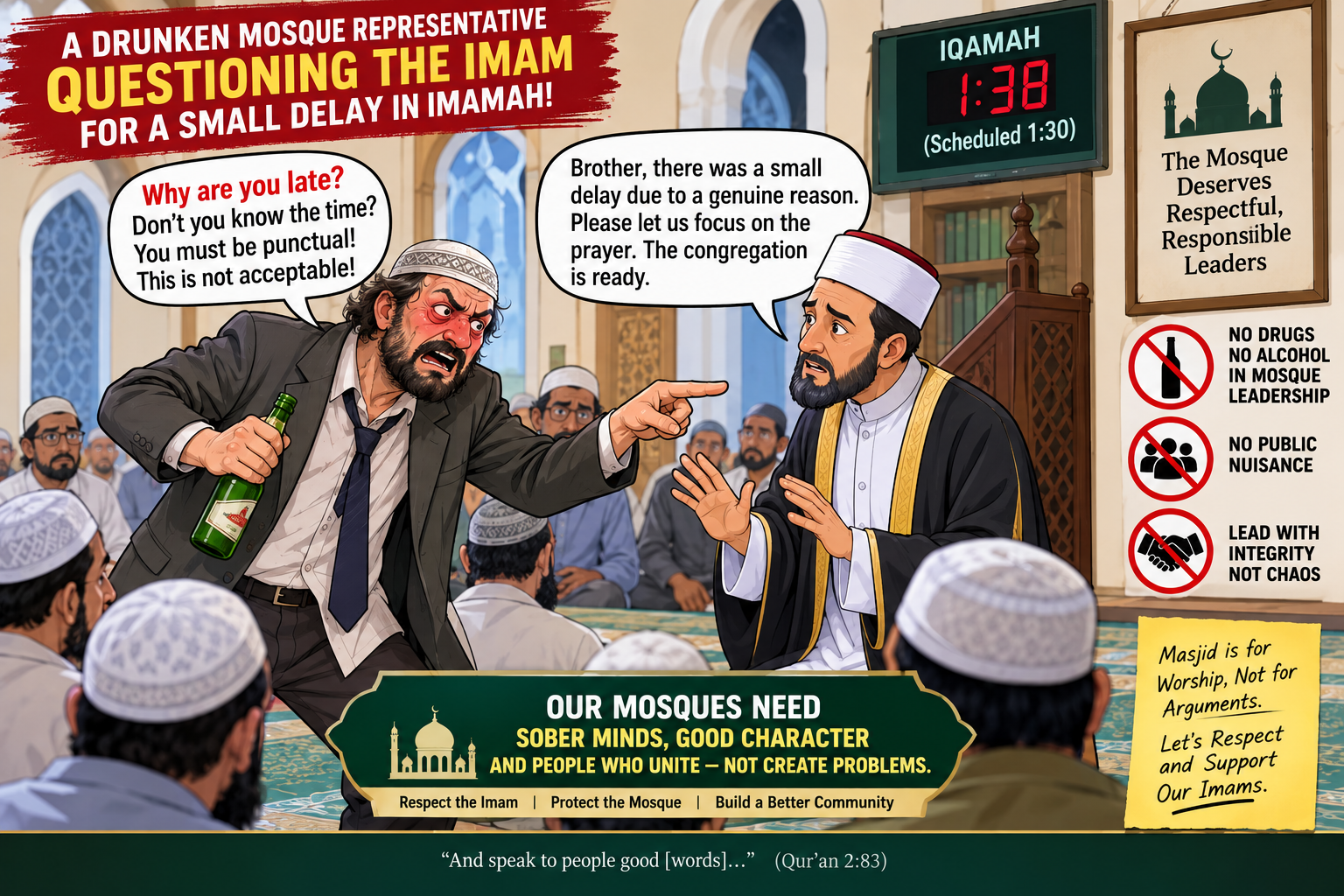
When Mosque Representation Loses the Moral Message of Islam
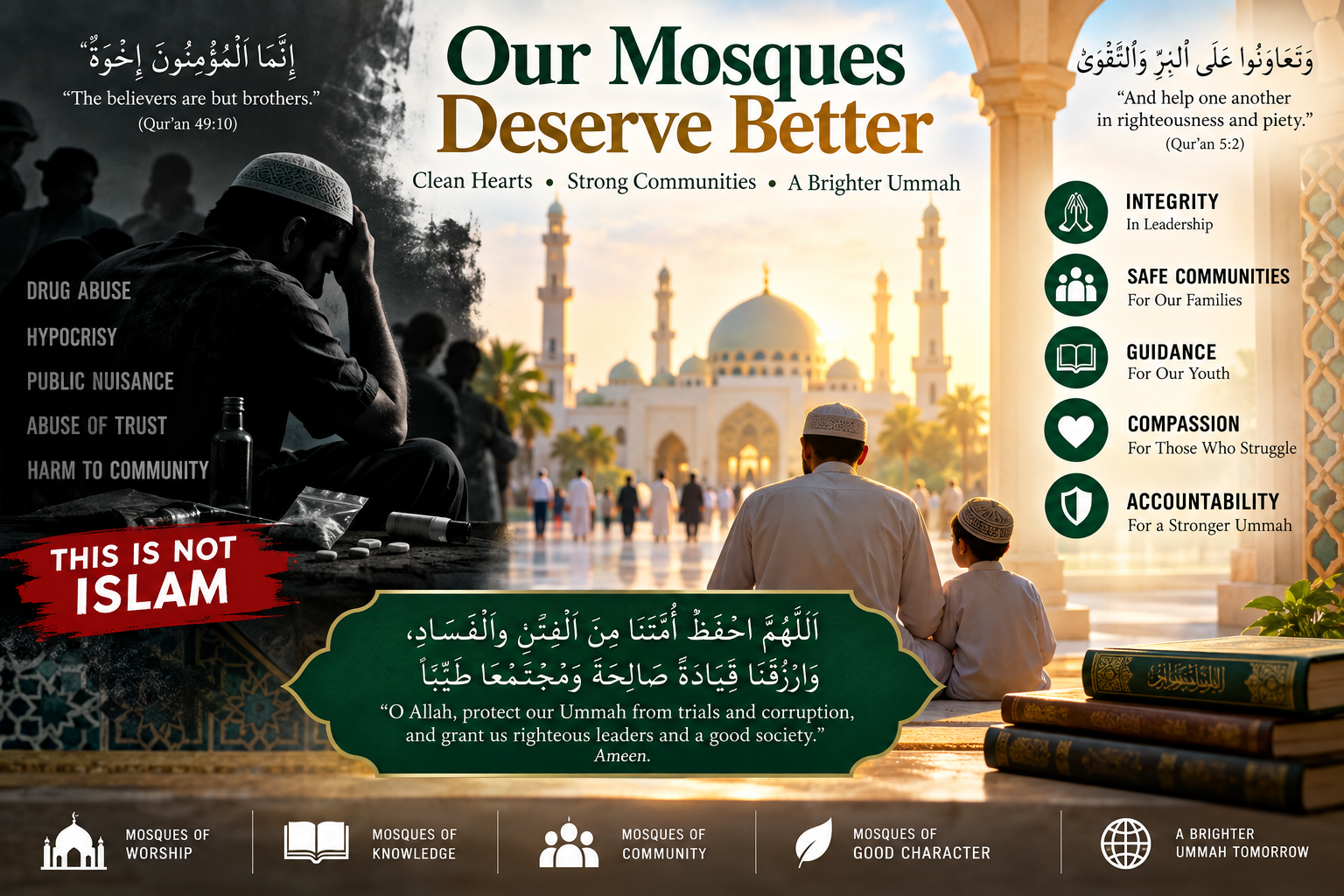
من يحق له تمثيل المسجد؟ الدين والأخلاق والمساءلة وحماية الأمة
المسجد ليس مكانًا عاديًا في حياة المسلمين. فهو بيت من بيوت الله، ومكان للعبادة والتعليم والتوجيه،
ومركز للتواصل بين أفراد المجتمع، ومكان يتعلم فيه الأطفال والشباب معنى الإسلام من خلال ما يسمعونه
ويرونه من الكبار.
ولهذا فإن من يتولى مسؤولية تمثيل المسجد أو إدارته يحمل أمانة عظيمة. فالقيادة في المسجد ليست وجاهة
اجتماعية، وليست امتيازًا عائليًا، وليست وسيلة للحصول على النفوذ، وإنما هي مسؤولية وأمانة.
تتعارض مع الأمانة وحسن الخلق والمسؤولية.
المسجد أمانة وليس ملكًا لأحد
من أكبر الأخطاء أن يتحول المسجد إلى مؤسسة يعتقد شخص أو عائلة أنها ملك خاص لها. المسجد يجب أن يخدم
المصلين والمجتمع، وأن تكون إدارته قائمة على الأمانة والكفاءة وحسن الخلق والعدل.
لا ينبغي أن يكون السؤال فقط: من هو الأكبر سنًا؟ أو من لديه المال؟ أو من له علاقات اجتماعية قوية؟
أو من كانت عائلته تدير المسجد منذ سنوات؟
بل يجب أن يكون السؤال:
هل هذا الشخص أمين؟ هل هو حسن الخلق؟ هل يحترم جيرانه؟ هل يحترم الناس؟
هل يستطيع تحمل المسؤولية؟ وهل يقبل المحاسبة؟
من يتعاطى المخدرات لا ينبغي أن يتولى قيادة المسجد أثناء استمرار المشكلة
يجب أن نتحدث بوضوح ومسؤولية: الشخص الذي يتعاطى المخدرات أو المواد المسكرة بشكل نشط، ويعيش في حالة
تؤثر في حكمه وسلوكه وقدرته على تحمل المسؤولية، لا ينبغي أن يُعهد إليه بمنصب قيادي في المسجد أثناء
استمرار هذه المشكلة.
هذا لا يعني إهانة الشخص أو إغلاق باب التوبة أمامه. فالمبتلى بالإدمان يحتاج إلى العلاج والمساعدة
والرحمة والدعم، وقد يستطيع بعد التعافي الصادق والتوبة وإصلاح حياته أن يصبح شخصًا صالحًا ونافعًا.
لكن هناك فرق واضح بين شخص يعاني من مشكلة ثم يسعى إلى علاجها ويتعافى منها، وبين شخص يستمر في التعاطي
والسلوك المدمر ثم يصر في الوقت نفسه على ممارسة سلطة دينية على الآخرين.
الرحمة مع المدمن لا تعني تسليمه مسؤولية قد لا يكون قادرًا على تحملها.
التوبة والإصلاح مرحب بهما
الإسلام لا يغلق باب التوبة أمام الإنسان. فمن أخطأ ثم تاب بصدق، وطلب العلاج، وأصلح سلوكه، وأصبح
مسؤولًا ومستقيمًا، فلا ينبغي للمجتمع أن يظل يعاقبه إلى الأبد بسبب ماضيه.
لكن التوبة الحقيقية تظهر في السلوك والعمل، وليس في الكلمات وحدها.
من يريد أن يتولى مسؤولية المسجد بعد تجربة خطيرة في حياته يجب أن يثبت من خلال أفعاله أنه أصبح قادرًا
على تحمل الأمانة.
الكلمات مهمة، ولكن الأخلاق والسلوك هما الدليل.
المنصب الديني ليس حصانة من المحاسبة
من الخطأ أن يقول المجتمع: “لا نستطيع محاسبته لأنه يمثل المسجد.”
العكس هو الصحيح.
من يمثل المسجد يجب أن يكون أكثر التزامًا بالمحاسبة، لأن الناس ينظرون إليه باعتباره صاحب مسؤولية
دينية واجتماعية.
اللقب الديني لا يجعل الإنسان معصومًا من الخطأ. والمكانة الاجتماعية لا تجعل الإنسان فوق القانون.
والانتماء إلى عائلة محترمة لا يعوض عن ضعف الأخلاق.
كلما زادت المسؤولية، زادت الحاجة إلى المحاسبة.
وماذا عن أبناء ممثل المسجد؟
هذه نقطة تحتاج إلى العدل والحكمة.
لا يجوز أن نحمل الأبناء ذنب آبائهم، كما لا يجوز أن نحمل الوالد مسؤولية كل تصرف يقوم به ابن بالغ
بشكل تلقائي.
كل إنسان مسؤول عن أفعاله.
لكن إذا كان أبناء أحد المسؤولين في المسجد يتسببون بصورة متكررة في مشاكل خطيرة أو إزعاج عام، فإن
من حق المجتمع أن يسأل عن موقف المسؤول نفسه، خصوصًا إذا كان يستعمل منصبه لحماية السلوك الخاطئ،
أو إسكات المتضررين، أو منع معالجة المشكلة.
السؤال الحقيقي ليس فقط:
“ماذا فعل أبناؤه؟”
بل:
هل يدافع عن الخطأ؟ هل يمكّن منه؟ هل يستخدم منصبه لحماية المخالفات؟
هل يهدد أو يخيف من يقدم شكوى؟ وهل أصبح غير قادر على الفصل بين مصلحته العائلية
ومسؤوليته تجاه المسجد؟
إذا كان الأمر كذلك، فالمشكلة تصبح متعلقة بسلوك المسؤول نفسه وبمدى أهليته للقيادة.
لا ينبغي استخدام الدين لحماية الإزعاج أو الظلم
المسجد يجب أن يكون مصدرًا للسلام في الحي والمجتمع، وليس مصدرًا للخوف أو الفوضى أو الإزعاج المستمر.
الجيران لهم حقوق، سواء كانوا مسلمين أو غير مسلمين.
ولا يجوز لأي شخص أن يستخدم مكانته الدينية لإجبار الناس على السكوت عن أذى حقيقي أو سلوك خطير.
المسجد الناجح هو المسجد الذي يستطيع الجيران أن يقولوا عنه:
وليس:
حماية الأطفال والشباب مسؤولية أساسية
أطفالنا يتعلمون من القدوة أكثر مما يتعلمون من الكلمات.
إذا رأى الطفل أن شخصًا يتحدث باسم الدين ولكنه في الوقت نفسه يمارس الإدمان أو العدوان أو الكذب
أو التهديد أو الفوضى، فقد يتكون لديه تصور مشوش عن معنى التدين.
نريد لمساجدنا أن تقدم للشباب نماذج من:
- الأمانة
- الصدق
- ضبط النفس
- الرحمة
- احترام الجيران
- تحمل المسؤولية
- التواضع
- العدل
- حسن الخلق
- قبول المحاسبة
معايير واضحة لقيادة المسجد
ينبغي للمجتمعات المسلمة أن تضع معايير واضحة لمن يتولى المسؤولية في المسجد، ومنها:
- الأمانة: أن يكون الشخص صادقًا وموثوقًا.
- حسن السلوك: أن يحترم الناس والجيران وأفراد المجتمع.
- الابتعاد عن المخدرات: ألا يكون الشخص في حالة تعاطٍ نشط تؤثر في أهليته للمسؤولية.
- حماية الأطفال: الالتزام بإجراءات حماية الأطفال والفئات الضعيفة.
- الشفافية: التعامل المسؤول مع أموال المسجد وقراراته.
- المحاسبة: قبول الشكاوى والتحقيق فيها بصورة عادلة.
- عدم استغلال السلطة: عدم استخدام المنصب لحماية الأقارب أو الأصدقاء من المحاسبة.
- الكفاءة: القدرة على إدارة المسؤوليات بحكمة وانضباط.
الوحدة لا تعني السكوت عن الخطأ
أحيانًا يخاف المجتمع من الحديث عن المشاكل خوفًا من الفتنة والانقسام.
لكن هناك فرق بين إشعال الفتنة وبين معالجة مشكلة حقيقية بطريقة مسؤولة.
الوحدة الحقيقية لا تقوم على الخوف أو التستر على الفساد.
الوحدة الحقيقية تقوم على الحق والعدل والإصلاح.
ولكن يجب أيضًا تجنب الاتهامات الباطلة
كما يجب علينا مواجهة الخطأ، يجب علينا أيضًا أن نكون عادلين في اتهاماتنا.
لا يجوز تدمير سمعة إنسان بسبب شائعة أو خلاف شخصي أو منشور مجهول على وسائل التواصل الاجتماعي.
إذا كان هناك ادعاء متعلق بالمخدرات أو الإساءة أو السلوك الإجرامي أو أي مخالفة خطيرة، فيجب التحقق
من الحقائق واتباع الطرق المناسبة لمعالجة الأمر.
نحن نريد المحاسبة، ولكننا لا نريد الظلم.
المسجد ليس ملكًا لعائلة واحدة
لا ينبغي أن تصبح إدارة المسجد امتيازًا ينتقل تلقائيًا من الأب إلى الابن أو من عائلة إلى أخرى.
إذا كان أحد أفراد العائلة صالحًا وأمينًا وكفؤًا، فلا مانع من خدمته للمسجد.
لكن صلة القرابة وحدها ليست مؤهلًا للقيادة.
النسب لا يعوض عن الأخلاق، والمال لا يعوض عن الأمانة، واللقب لا يعوض عن التقوى.
نريد الإصلاح وليس الانتقام
الهدف من محاسبة المسؤولين ليس الانتقام منهم.
الهدف هو حماية المسجد والمجتمع، ومساعدة من يحتاج إلى العلاج، وحماية الأطفال والشباب، واحترام الجيران،
وإعادة الثقة.
يمكن أن نجمع بين:
الشخص المدمن يحتاج إلى العلاج.
المتضرر يحتاج إلى الحماية والإنصاف.
المسجد يحتاج إلى قيادة صالحة.
والمجتمع يحتاج إلى السلام.
دعاء لحماية المساجد والأمة
اللَّهُمَّ أَصْلِحْ أَحْوَالَ أُمَّةِ مُحَمَّدٍ ﷺ، وَاحْفَظْ مَسَاجِدَنَا مِنَ الْفَسَادِ وَالظُّلْمِ وَسُوءِ الْأَخْلَاقِ، وَارْزُقْهَا قَادَةً صَالِحِينَ أُمَنَاءَ عَادِلِينَ.
اللَّهُمَّ لَا تُوَلِّ أَمْرَ مَسَاجِدِنَا إِلَّا مَنْ كَانَ أَهْلًا لِلْأَمَانَةِ وَالْمَسْؤُولِيَّةِ، وَابْعِدْ عَنْهَا مَنْ يَسْتَغِلُّ الدِّينَ لِمَصْلَحَتِهِ، أَوْ يَظْلِمُ عِبَادَكَ، أَوْ يُفْسِدُ فِي الْمُجْتَمَعِ.
اللَّهُمَّ احْفَظْ شَبَابَنَا وَأَطْفَالَنَا مِنَ الْمُخَدِّرَاتِ وَرُفَقَاءِ السُّوءِ وَالْفَسَادِ، وَاهْدِ مَنْ ابْتُلِيَ بِالْإِدْمَانِ، وَاشْفِهِ، وَأَعِنْهُ عَلَى التَّوْبَةِ وَالْعِلَاجِ وَالصَّلَاحِ.
اللَّهُمَّ احْمِ جِيرَانَ مَسَاجِدِنَا مِنَ الْأَذَى، وَاجْعَلْ مَسَاجِدَنَا مَنَارَاتٍ لِلسَّلَامِ وَالرَّحْمَةِ وَالْعِلْمِ وَالْعَدْلِ وَحُسْنِ الْخُلُقِ.
اللَّهُمَّ أَعْطِنَا الْقُوَّةَ لِنَقُولَ الْحَقَّ بِعَدْلٍ، وَالْحِكْمَةَ لِنُصْلِحَ وَلَا نُفْسِدَ، وَالرَّحْمَةَ لِنُسَاعِدَ مَنْ يَحْتَاجُ إِلَى الْعِلَاجِ وَالْهِدَايَةِ.
اللَّهُمَّ أَصْلِحْ قُلُوبَنَا وَأَعْمَالَنَا، وَاجْعَلْنَا مِنْ أَهْلِ الْأَمَانَةِ وَالصِّدْقِ وَالْعَدْلِ، وَاحْفَظْ أُمَّتَنَا مِنَ الْفِتَنِ وَالْفَسَادِ وَالظُّلْمِ.
آمِينَ يَا رَبَّ الْعَالَمِينَ.
كلمة أخيرة
نحن لا نطلب أشخاصًا كاملين، فالكمال ليس للبشر. لكننا نطلب أشخاصًا يفهمون أن تمثيل المسجد أمانة
وليست امتيازًا.
الشخص الذي يعاني من الإدمان يحتاج إلى الرحمة والعلاج، لكنه لا ينبغي أن يُعطى مسؤولية لا يستطيع
تحملها أثناء استمرار المشكلة.
وأبناء المسؤول لا ينبغي أن يتحملوا أخطاء آبائهم، لكن المسؤول نفسه يجب أن يُحاسب إذا كان يستخدم
منصبه لحماية الخطأ أو إسكات المتضررين.
الإيمان والأمانة والعدل والمسؤولية.
Who Should Represent the Mosque?
Faith, Character, Accountability and the Protection of the Ummah
A mosque is not an ordinary institution in the life of a Muslim community. It is a house of worship,
a place of learning and guidance, a centre of community life, and a place where children and young people
learn what Islam means by observing the behaviour of adults around them.
For that reason, anyone entrusted with representing or managing a mosque carries a serious responsibility.
Mosque leadership is not simply a social position, a family privilege or a source of influence.
It is an amanah — a trust.
good character and responsibility should not be entrusted with mosque leadership while that
problem remains unresolved.
The Mosque Is an Amanah, Not a Private Possession
One of the greatest mistakes a community can make is allowing a mosque to become treated as the private
property of an individual or family.
The people responsible for a mosque should serve the worshippers and the wider community. Leadership
should be based on trustworthiness, competence, good character, justice and service.
The important questions should not simply be:
- Who is the oldest?
- Who has the most money?
- Who has the strongest family connections?
- Who has controlled the mosque for the longest time?
Instead, the community should ask:
Is this person trustworthy? Does he have good character? Does he respect neighbours?
Can he handle responsibility? Does he accept legitimate accountability?
People Actively Using Drugs Should Not Lead the Mosque
This point deserves to be stated clearly: a person who is actively abusing drugs or intoxicating
substances, in a way that affects his judgment, behaviour or ability to fulfil responsibilities,
should not be entrusted with mosque leadership while the problem continues.
This does not mean humiliating someone who suffers from addiction. Addiction is a serious problem,
and people struggling with it deserve treatment, support, compassion and a genuine opportunity
to recover.
But there is a fundamental difference between someone who recognizes his problem, seeks treatment,
recovers and rebuilds his life, and someone who continues destructive behaviour while insisting
on exercising religious authority over others.
Compassion for a person struggling with addiction does not require giving that person
responsibilities he is currently unable to fulfil safely.
Repentance and Recovery Should Be Honoured
Islam does not close the door of repentance. A person who has made serious mistakes can seek treatment,
repent sincerely, reform his life and become a good and useful member of society.
Such transformation should be encouraged rather than permanently rejected.
However, genuine repentance should be reflected in behaviour. Someone seeking leadership after a serious
period of destructive conduct should demonstrate through his actions that he has become capable of
carrying the trust placed upon him.
Words matter, but character and conduct are the evidence.
Religious Position Must Never Become Immunity From Accountability
A dangerous attitude is to say:
“We cannot question him because he represents the mosque.”
The opposite should be true.
A person representing the mosque should be held to a higher standard of responsibility because people
naturally associate his conduct with the institution he represents.
A religious title does not make a person incapable of wrongdoing. Social status does not place anyone
above accountability. Family reputation cannot replace personal character.
The greater the responsibility, the greater the need for accountability.
What About the Children of a Mosque Representative?
This subject requires fairness and wisdom.
Children should not automatically inherit blame for the actions of their parents. Likewise, a parent
cannot automatically control every action committed by an adult child.
Every individual is responsible for his or her own actions.
However, if the children of a mosque representative repeatedly create serious public disturbances,
the community may reasonably examine the conduct of the representative himself—particularly if he uses
his position to protect wrongdoing, intimidate complainants or prevent legitimate problems from being
addressed.
The real questions are:
- Does the representative enable the misconduct?
- Does he use his position to protect wrongdoing?
- Does he intimidate people who raise legitimate concerns?
- Does he refuse to address serious problems?
- Has he become unable to separate family interests from his responsibilities to the mosque?
If the answer is yes, then the issue becomes one of the representative’s own conduct and fitness for
leadership—not merely the behaviour of his children.
Religion Must Never Be Used to Protect Public Harm
A mosque should be a source of peace in its neighbourhood, not a source of fear, disorder or continuing
disturbance.
Neighbours have rights, whether they are Muslim or non-Muslim.
No individual should use religious status to pressure people into silence when they have legitimate
concerns about serious misconduct.
“That mosque makes our community better.”
It should never become known as a place that protects people who repeatedly harm others.
Protecting Children and Young People
Children learn from examples as much as they learn from words.
If young people repeatedly see adults speaking in the name of religion while engaging in addiction,
aggression, dishonesty, intimidation or public disorder, they may develop a distorted understanding
of what religious leadership means.
Our mosques should provide young people with examples of:
- Honesty
- Self-control
- Compassion
- Respect for neighbours
- Responsibility
- Humility
- Justice
- Good character
- Accountability
Clear Standards for Mosque Leadership
Muslim communities should establish clear and fair standards for people entrusted with mosque
responsibilities.
- Integrity: Representatives should be honest and trustworthy.
- Good conduct: They should treat worshippers, neighbours and community members with respect.
- Freedom from active substance abuse: People whose active substance use compromises their ability to lead should not hold sensitive leadership responsibilities.
- Safeguarding: Appropriate measures should protect children and vulnerable people.
- Transparency: Mosque finances and major decisions should be handled responsibly.
- Accountability: Legitimate complaints should be taken seriously and handled fairly.
- No abuse of authority: Religious position should never be used to protect relatives or friends from legitimate accountability.
- Competence: Leaders should be capable of fulfilling their responsibilities wisely and responsibly.
Unity Does Not Mean Silence
Some communities avoid difficult conversations because they fear division or fitnah.
But there is a difference between creating unnecessary conflict and responsibly addressing genuine
misconduct.
True unity cannot be built on fear, intimidation or concealment of serious wrongdoing.
Real unity is built through truth, justice, compassion and reform.
But We Must Also Avoid False Accusations
While we must have the courage to confront wrongdoing, we must also be fair in our accusations.
A person’s reputation should not be destroyed by rumours, personal disputes or anonymous social-media
claims.
When allegations concern drugs, abuse, criminal behaviour or other serious misconduct, facts should be
verified and appropriate procedures should be followed.
We want accountability—but we do not want injustice.
The Mosque Should Not Become a Family Inheritance
Mosque leadership should not automatically pass from father to son or remain permanently within one
family.
If a family member is trustworthy, competent and suitable, there is nothing wrong with that person
serving the mosque.
But family connection alone is not a qualification for leadership.
Bloodline cannot replace character. Wealth cannot replace trust. A title cannot replace integrity.
The Goal Is Reform, Not Revenge
The purpose of accountability should not be revenge.
The purpose is to protect the mosque, protect the community, support people who need treatment,
protect children and young people, respect neighbours and restore trust.
A person struggling with addiction needs treatment.
A person harmed by misconduct needs protection and justice.
A mosque needs responsible leadership.
And a community needs peace.
A Prayer for the Protection of Our Mosques and the Ummah
اللَّهُمَّ أَصْلِحْ أَحْوَالَ أُمَّةِ مُحَمَّدٍ ﷺ، وَاحْفَظْ مَسَاجِدَنَا مِنَ الْفَسَادِ وَالظُّلْمِ وَسُوءِ الْأَخْلَاقِ، وَارْزُقْهَا قَادَةً صَالِحِينَ أُمَنَاءَ عَادِلِينَ.
اللَّهُمَّ لَا تُوَلِّ أَمْرَ مَسَاجِدِنَا إِلَّا مَنْ كَانَ أَهْلًا لِلْأَمَانَةِ وَالْمَسْؤُولِيَّةِ، وَابْعِدْ عَنْهَا مَنْ يَسْتَغِلُّ الدِّينَ لِمَصْلَحَتِهِ، أَوْ يَظْلِمُ عِبَادَكَ، أَوْ يُفْسِدُ فِي الْمُجْتَمَعِ.
اللَّهُمَّ احْفَظْ شَبَابَنَا وَأَطْفَالَنَا مِنَ الْمُخَدِّرَاتِ وَرُفَقَاءِ السُّوءِ وَالْفَسَادِ، وَاهْدِ مَنْ ابْتُلِيَ بِالْإِدْمَانِ، وَاشْفِهِ، وَأَعِنْهُ عَلَى التَّوْبَةِ وَالْعِلَاجِ وَالصَّلَاحِ.
اللَّهُمَّ احْمِ جِيرَانَ مَسَاجِدِنَا مِنَ الْأَذَى، وَاجْعَلْ مَسَاجِدَنَا مَنَارَاتٍ لِلسَّلَامِ وَالرَّحْمَةِ وَالْعِلْمِ وَالْعَدْلِ وَحُسْنِ الْخُلُقِ.
اللَّهُمَّ أَعْطِنَا الْقُوَّةَ لِنَقُولَ الْحَقَّ بِعَدْلٍ، وَالْحِكْمَةَ لِنُصْلِحَ وَلَا نُفْسِدَ، وَالرَّحْمَةَ لِنُسَاعِدَ مَنْ يَحْتَاجُ إِلَى الْعِلَاجِ وَالْهِدَايَةِ.
اللَّهُمَّ أَصْلِحْ قُلُوبَنَا وَأَعْمَالَنَا، وَاجْعَلْنَا مِنْ أَهْلِ الْأَمَانَةِ وَالصِّدْقِ وَالْعَدْلِ، وَاحْفَظْ أُمَّتَنَا مِنَ الْفِتَنِ وَالْفَسَادِ وَالظُّلْمِ.
آمِينَ يَا رَبَّ الْعَالَمِينَ.
Final Message
We are not asking for perfect human beings. No human being is perfect. We are asking for people who
understand that representing a mosque is an amanah—a trust, not a privilege.
A person struggling with addiction deserves compassion and treatment, but should not be entrusted with
responsibilities he cannot safely fulfil while the problem remains active.
The children of a mosque representative should not automatically be blamed for their parents’ actions.
But a representative must be held accountable if he personally enables wrongdoing, abuses his position
or uses religious authority to silence legitimate concerns.
A strong Ummah is not built by titles. It is built by character.
Our mosques deserve leaders who combine faith with integrity, worship with good character,
and authority with justice.
May Allah protect our mosques, our families, our children and our communities from corruption,
addiction, injustice and harmful behaviour. May He guide those who have gone astray, heal those
struggling with addiction, protect our youth, strengthen those who stand for justice, and bless
the Ummah with leaders who are trustworthy, compassionate, wise and just.
Ameen.