Mut’ah Marriage in the Twelver (12 Imam) System: Understanding the Practice and Why Permanent Marriage Better Serves Peace in Islam
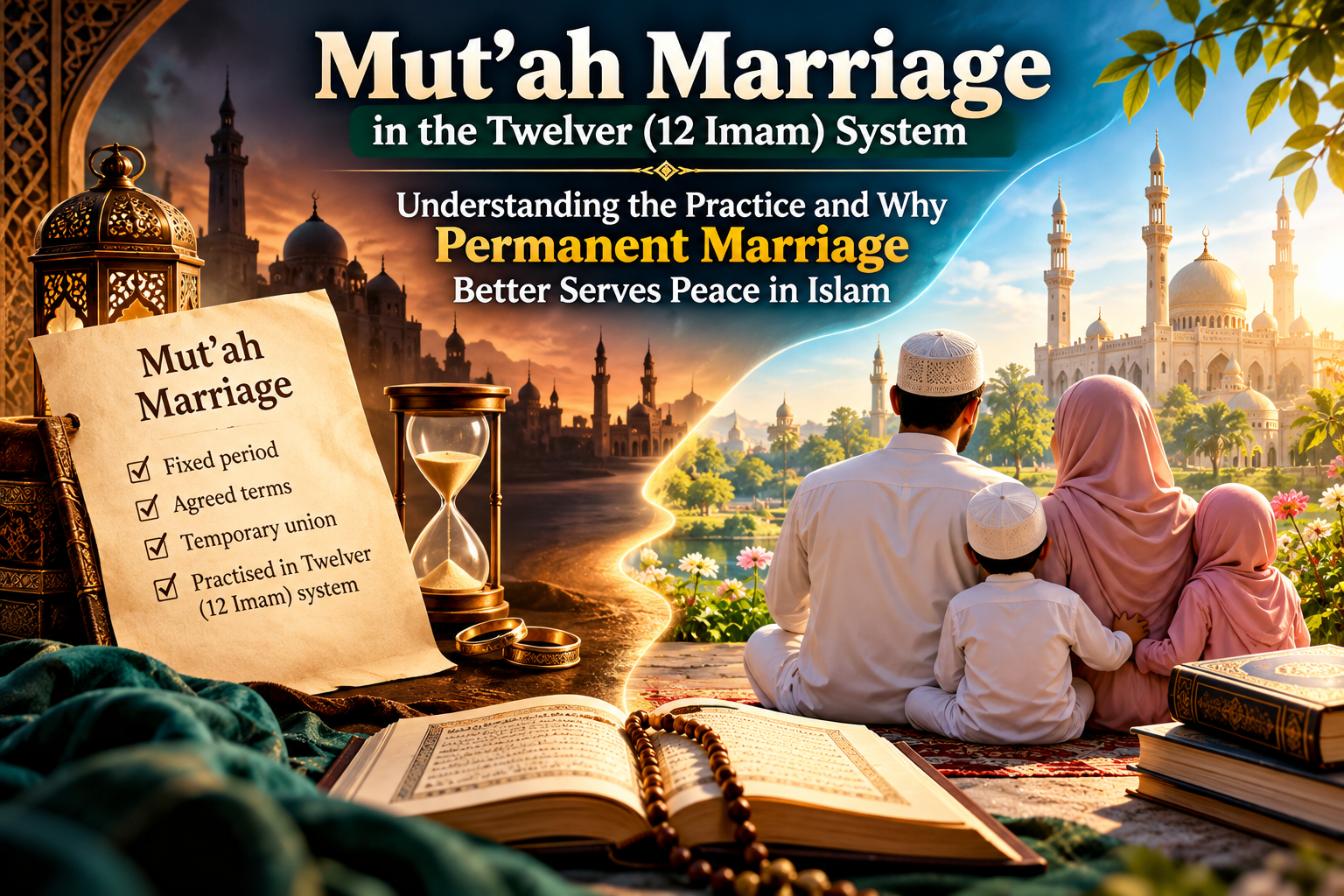
زواج المتعة في نظام الأئمة الاثني عشر: فهم الممارسة ولماذا الزواج الدائم أفضل لتحقيق السلام في الإسلام
في نسيج الفقه الإسلامي الغني، قليل من المواضيع تثير نقاشًا واختلافًا في الرأي بقدر ما يثيره نكاح المتعة (الزواج المؤقت). في المذهب الشيعي الاثني عشري (الإمامية)، يُعتبر زواج المتعة جائزًا بشروط محددة. أما بالنسبة لكثيرين، خاصة في العالم الحديث، فإن هذه الممارسة تثير تساؤلات جدية حول الاستقرار والكرامة والأمان العاطفي والروح الحقيقية للحياة الأسرية الإسلامية.
يتناول هذا المقال زواج المتعة كما يُفهم في النظام الاثني عشري، جذوره التاريخية في الإسلام المبكر، أبرز نقاط الاختلاف في الرأي، ولماذا – من منظور السعي إلى أعظم سلام يقدمه الإسلام – يظل الزواج الدائم هو الطريق الأفضل والمفضل اليوم.
ما هو زواج المتعة؟
المتعة (تعني حرفيًا “الاستمتاع” أو “اللذة”) هي عقد زواج محدد المدة. في الفقه الشيعي الاثني عشري، يتفق الرجل والمرأة غير المتزوجة على:
- مدة محددة (قد تتراوح من ساعات إلى سنوات)
- مهر محدد
يُبرم العقد شفهيًا أو كتابيًا. وبمجرد انتهاء المدة المتفق عليها، ينتهي الزواج تلقائيًا دون حاجة إلى طلاق رسمي. تعتد المرأة فترة العدة، عادة دورتين حيضيتين (أو 45 يومًا في بعض الآراء). يُعتبر الأطفال المولودون من هذا الاتحاد شرعيين ولهم حق الإرث من الأب، لكن الزوجين لا يرث أحدهما الآخر عمومًا إلا إذا اشترطا ذلك صراحة.
وفقًا لكبار علماء الاثني عشرية (بما في ذلك فتاوى مرتبطة بعلماء مثل آية الله السيستاني)، تنطبق شروط معينة: يجب ألا تكون المرأة متزوجة بالفعل، وأن تكون عفيفة، وفي كثير من الحالات يُفضل أو يُشترط إذن الولي للبكر. لا يلتزم الزوج بتقديم النفقة المستمرة بنفس طريقة الزواج الدائم، وغالبًا ما يُوصف الغرض الأساسي بأنه الاستمتاع المشروع وليس بناء أسرة طويلة الأمد.
السياق التاريخي: الإسلام المبكر واختلاف الآراء
تتفق جميع المذاهب الإسلامية الرئيسية على أن الزواج المؤقت كان يُمارس في الأيام الأولى من الإسلام. خلال فترات السفر والحملات العسكرية والمشقة – عندما كانت الحياة الأسرية الدائمة صعبة – أذن النبي محمد (صلى الله عليه وآله) بشكل من أشكال العقد المؤقت حتى لا يقع الناس في الزنا.
الآية الرئيسية التي يستشهد بها مؤيدو المتعة هي قوله تعالى في سورة النساء (24):
«فَمَا اسْتَمْتَعْتُم بِهِ مِنْهُنَّ فَآتُوهُنَّ أُجُورَهُنَّ فَرِيضَةً…»
يفسر علماء الاثني عشرية عبارة «فما استمتعتم به منهن» على أنها تشير إلى الزواج المؤقت، ويرون أن هذا الإذن لم يُنسخ أبدًا من قبل النبي. ويؤكدون أن الخليفة الثاني عمر بن الخطاب هو من نهى عنه لاحقًا، ولا يقبلون هذا النهي كملزم.
أما علماء أهل السنة (عبر المذاهب الأربعة) وبعض الفرق الشيعية الأخرى (الزيدية والإسماعيلية) فيرون أن النبي نفسه نهى عن المتعة نهيًا دائمًا – وتذكر الروايات معركة خيبر وفتح مكة. وتسجل روايات صحيحة في صحيح البخاري وصحيح مسلم عن الصحابة أن المتعة أُبيحت ثم حُرمت إلى يوم القيامة. ولذلك، بالنسبة لغالبية العالم الإسلامي، يُعتبر زواج المتعة منسوخًا وغير جائز.
يظل هذا الاختلاف أحد أوضح نقاط التباين بين الفقه الاثني عشري وبقية التقليد الإسلامي.
لماذا يُشكل الزواج المؤقت مشكلة في العالم الحديث؟
حتى لو قبل المرء الحكم الكلاسيكي الاثني عشري، فإن الواقع الاجتماعي والروحي لعالم اليوم يجعل المتعة خيارًا سيئًا لمعظم الناس الذين يسعون إلى حياة إسلامية سلمية وكريمة. تبرز عدة مخاوف جدية:
- عدم الاستقرار العاطفي والنفسي
الزواج في الإسلام يُقصد به أن يكون مصدرًا للسكينة والمودة والرحمة – كما يصف القرآن الكريم في سورة الروم (21). العلاقة التي لها تاريخ انتهاء مدمج تقوض هذه الأهداف. غالبًا ما تترك الروابط المؤقتة جروحًا عاطفية وانعدام أمان وشعورًا بالاستغلال بدلًا من التقدير. - خطر الاستغلال
في الممارسة العملية، يمكن أن ينزلق زواج المتعة بسهولة إلى شكل من أشكال الترتيب الجنسي قصير الأمد المقنن. قد تشعر النساء، خاصة في الأوضاع الاقتصادية أو الاجتماعية الضعيفة، بالضغط. إن غياب المسؤولية المالية المستمرة وحقوق الإرث يمكن أن يتركهن في وضع غير مواتٍ. وقد لاحظ النقاد داخل المجتمعات الشيعية وخارجها منذ فترة طويلة أن هذه الممارسة يمكن أن تشبه الدعارة تحت غطاء ديني عندما يُساء استخدامها. - التأثير على الأطفال وهيكل الأسرة
بينما يُعتبر الأطفال شرعيين قانونيًا، فإن الطبيعة المؤقتة لعلاقة الوالدين يمكن أن تخلق عدم استقرار ووصمة عار وتعقيدات أسرية. يضع الإسلام تأكيدًا هائلًا على الأسر القوية والمستقرة كأساس لمجتمع صحي. - التعارض مع مثالية الالتزام
يتطلب الزواج الدائم الصبر والتضحية والنمو المتبادل والاستعداد لمواجهة الصعوبات معًا. تبني هذه الصفات الشخصية وتعمق الإيمان. غالبًا ما تتجاوز الترتيبات المؤقتة الصعوبات ذاتها التي تطهر القلب وتقوي الرابطة.
في الأيام الأولى من الإسلام، ربما كانت المتعة حلًا مضبوطًا كملاذ أخير في ظروف استثنائية – الانفصال أثناء الحروب أو الرحلات الطويلة أو الحالات التي كان الزواج الدائم فيها مستحيلًا عمليًا. لم تُقدم أبدًا على أنها المثالية أو الطريق المفضل. يشير مثال النبي نفسه والتأكيد الهائل في القرآن والسنة إلى الزواج الدائم والملتزم كمعيار.
الطريق الأفضل: الزواج الدائم لتحقيق السلام الحقيقي
الإسلام دين سلام – ليس فقط السلام مع الآخرين، بل السلام داخل النفس وداخل المنزل. الشخص الذي يسعى بصدق إلى أعمق سلام يقدمه الإسلام سيجد ذلك بثقة أكبر بكثير في الزواج الدائم.
الزواج الدائم:
- يشجع على المسؤولية والتفكير طويل الأمد
- يوفر الأمان لكلا الزوجين وأي أطفال
- يخلق بيئة مستقرة لتربية الجيل القادم
- يتوافق مع الرؤية القرآنية للزوجين كلباس لبعضهما البعض (البقرة: 187) – الحماية المتبادلة والراحة وستر العيوب
- يبني الصبر والولاء والرحمة التي يمدحها الدين مرارًا وتكرارًا
عندما تنشأ صعوبات في الزواج الدائم، يوفر الإسلام أدوات المصالحة والنصيحة، والطلاق فقط كملاذ أخير. لا حاجة إلى باب الترتيبات المؤقتة عندما يُسلك الطريق الدائم بإخلاص وحسن خلق وتوكل على الله.
الخاتمة
يظل زواج المتعة مؤسسة معترف بها في الفقه الشيعي الاثني عشري، متجذرة في قراءة معينة للتاريخ الإسلامي المبكر وبعض النصوص. ومع ذلك، حتى ضمن هذا الإطار، لم يكن أبدًا هو المثالية. في العالم الحديث – بواقعه الاجتماعي المعقد وتنقله الأكبر ووعيه المتزايد بالعدالة العاطفية والجندرية – يحمل الزواج المؤقت مخاطر كبيرة ونادرًا ما ينتج السلام الدائم الذي يعد به الإسلام.
بالنسبة لأولئك الذين يرغبون في التعبير الأكمل عن الحياة الأسرية الإسلامية، فإن الخيار الواضح والمتفوق هو الزواج الدائم. إنه طريق الالتزام والكرامة والطمأنينة. إنه الطريق الذي يعكس أفضل رحمة وحكمة الدين. وهو الطريق الأكثر احتمالًا لجلب السلام العميق والدائم الذي يسعى إليه كل مسلم مخلص.
نسأل الله أن يهدينا جميعًا إلى العلاقات التي تطهر قلوبنا وتقوي مجتمعاتنا وتقربنا إليه.
Mut’ah Marriage in the Twelver (12 Imam) System: Understanding the Practice and Why Permanent Marriage Better Serves Peace in Islam
In the rich tapestry of Islamic jurisprudence, few topics generate as much discussion and difference of opinion as Nikah Mut’ah — temporary marriage. Within the Twelver Shia (Ithna Ashari / 12 Imam) school of thought, Mut’ah is considered permissible under specific conditions. For many others, especially in the modern world, the practice raises serious questions about stability, dignity, emotional security, and the true spirit of Islamic family life.
This blog examines Mut’ah as understood in the Twelver system, its historical roots in early Islam, the key differences of opinion, and why — from the perspective of seeking the greatest peace that Islam offers — permanent marriage remains the superior and preferred path today.
What Is Mut’ah Marriage?
Mut’ah (literally “enjoyment” or “pleasure”) is a fixed-term marriage contract. In Twelver Shia jurisprudence, a man and an unmarried woman agree upon:
- A specific duration (which can range from hours to years)
- A specified mahr (dowry)
The contract is verbal or written. Once the agreed time ends, the marriage automatically dissolves — no formal divorce is required. The woman observes a waiting period (iddah), usually two menstrual cycles (or 45 days in some rulings). Children born from such a union are considered legitimate and have inheritance rights from the father, but the spouses themselves generally do not inherit from each other unless specifically stipulated.
According to major Twelver authorities (including rulings associated with scholars such as Ayatollah Sistani), certain conditions apply: the woman should not already be married, she should be chaste, and in many cases the permission of a guardian is recommended or required for a virgin. The husband is not obligated to provide ongoing maintenance (nafaqah) in the same way as in permanent marriage, and the primary purpose is often described as lawful enjoyment rather than long-term family building.
Historical Context: Early Islam and the Divergence of Views
All major Islamic schools agree that temporary marriage was practiced in the early days of Islam. During periods of travel, military campaigns, and hardship — when permanent family life was difficult — the Prophet Muhammad (peace be upon him and his family) permitted a form of temporary contract so that people would not fall into fornication.
The key verse cited by supporters of Mut’ah is Quran 4:24:
“…So for whatever you enjoy [of marriage] from them, give them their due compensation as an obligation…”
Twelver scholars interpret the phrase “ma istamta’tum bihi minhunna” as referring to temporary marriage and hold that this permission was never abrogated by the Prophet. They maintain that the second Caliph, Umar ibn al-Khattab, later prohibited it, and they do not accept that prohibition as binding.
Sunni scholars (across the four schools) and some other Shia groups (Zaydis, Ismailis) hold that the Prophet himself later forbade Mut’ah permanently — reports mention the Battle of Khaybar and the Conquest of Mecca. Authentic narrations in Sahih Bukhari and Sahih Muslim record companions stating that Mut’ah was allowed and then prohibited until the Day of Judgment. For the majority of the Muslim world, therefore, Mut’ah is considered abrogated and impermissible.
This difference remains one of the clearest points of divergence between Twelver jurisprudence and the rest of the Islamic tradition.
Why Temporary Marriage Is Problematic in the Modern World
Even if one accepts the classical Twelver ruling, the social and spiritual realities of today’s world make Mut’ah a poor fit for most people seeking a peaceful, dignified Islamic life. Several serious concerns arise:
- Emotional and Psychological Instability
Marriage in Islam is meant to be a source of sakinah (tranquility), mawaddah (affection), and rahmah (mercy) — as the Quran beautifully describes in 30:21. A relationship with a built-in expiry date undermines these goals. Temporary bonds often leave emotional wounds, insecurity, and a sense of being used rather than cherished. - Risk of Exploitation
In practice, Mut’ah can easily slide into a form of legalized short-term sexual arrangement. Women, especially those in vulnerable economic or social positions, may feel pressured. The lack of ongoing financial responsibility and inheritance rights can leave them disadvantaged. Critics both inside and outside Shia communities have long noted that the practice can resemble prostitution under a religious label when misused. - Impact on Children and Family Structure
While children are legally legitimate, the temporary nature of the parents’ relationship can create instability, stigma, and complicated family dynamics. Islam places enormous emphasis on strong, stable families as the foundation of a healthy society. - Contradiction with the Ideal of Commitment
Permanent marriage requires patience, sacrifice, mutual growth, and the willingness to weather difficulties together. These qualities build character and deepen faith. Temporary arrangements often bypass the very struggles that purify the heart and strengthen the bond.
In the early days of Islam, Mut’ah may have served as a controlled, last-resort solution in extreme circumstances — wartime separations, long journeys, or situations where permanent marriage was practically impossible. It was never presented as the ideal or the preferred path. The Prophet’s own example and the overwhelming emphasis in the Quran and Sunnah point toward permanent, committed marriage as the norm.
The Better Path: Permanent Marriage for True Peace
Islam is a religion of peace — not only peace with others, but peace within the soul and within the home. The person who genuinely seeks the deepest peace that Islam offers will find it far more reliably in a permanent marriage.
Permanent marriage:
- Encourages responsibility and long-term thinking
- Provides security for both spouses and any children
- Creates a stable environment for raising the next generation
- Aligns with the Quranic vision of spouses as garments for one another (2:187) — mutual protection, comfort, and covering of faults
- Builds the patience, loyalty, and mercy that the faith repeatedly praises
When difficulties arise in a permanent marriage, Islam provides the tools of reconciliation, counseling, and, only as a last resort, divorce. The door of temporary arrangements is not needed when the permanent path is walked with sincerity, good character, and reliance on Allah.
Conclusion
Mut’ah remains a recognized institution within Twelver Shia jurisprudence, rooted in a particular reading of early Islamic history and certain texts. Yet even within that framework, it was never the ideal. In the modern world — with its complex social realities, greater mobility, and heightened awareness of emotional and gender justice — temporary marriage carries significant risks and rarely produces the lasting peace that Islam promises.
For those who desire the fullest expression of Islamic family life, the clear and superior choice is permanent marriage. It is the path of commitment, dignity, and tranquility. It is the path that best reflects the mercy and wisdom of the faith. And it is the path most likely to bring the deep, lasting peace that every sincere Muslim seeks.
May Allah guide us all to the relationships that purify our hearts, strengthen our communities, and draw us closer to Him.