Why I Still Believe in Prophet Muhammad — But Reject the Darkness Created by Some Religious Preachers
لماذا ما زلت أحترم النبي محمد ﷺ — لكنني أرفض الظلام الذي يصنعه بعض الدعاة
ما زلت أعتبر النبي محمداً ﷺ خاتم الأنبياء والمرسلين، وأكنّ له احتراماً عميقاً. لكن احترامي له لا يأتي من كل من يدّعي تمثيل الإسلام. ولا يأتي من أولئك الدعاة الذين يحوّلون الدين إلى جدال لا ينتهي حول ما أكله، أو كيف أدّى بعض الحركات الجسدية البسيطة، أو أي تفصيل صغير من حياة القرن السابع يجب أن يقلّده الناس بوسواس.
احترامي يأتي من شيء أعمق بكثير: من النور الذي أربطه برسالته، ومن النور الذي ما زال ملايين الناس يشعرون به حين يذكرونه. وهذا الأمر يهمني.
القواعد وُجدت لغاية أعلى
أؤمن أن القواعد لم تُشرع لمجرد أن تكون قواعد، بل لخلق النظام والمسؤولية والعدل والسلام. وأن النية وراء النظام الأخلاقي لا تقل أهمية عن النظام نفسه.
ما يجذبني في الإسلام هو عمق التعاليم التي جاء بها النبي محمد ﷺ. فقد أكّد على التوحيد الخالص — الإيمان بالله الواحد — وقدم مفهوم أسماء الله الحسنى الجميلة، التي تساعد المؤمنين على فهم صفات الله والتقرب إليه. كما أقدّر الحساسية الروحية والجمال المرتبطين باللغة العربية في العبادة والقرآن، خاصة في طريقة تعبيرها عن معاني الله وصفاته.
ومن الفروقات التي أراها في الإسلام تأكيده القوي على الحفاظ على عقل صافٍ ومتيقظ. فقد حرّم المسكرات لأنها تؤثر على الحكم والسيطرة على النفس والقدرة على التمييز بين الحق والباطل. هذا المبدأ يشجع المسلم على أن يبقى واعياً ومسؤولاً في أفعاله.
الوقوف ضد الظلم
أشعر أن الإسلام يركز بقوة على الوقوف ضد الظلم لا مجرد الحديث عن القيم الحسنة. ومثال الإمام الحسين رضي الله عنه قوي جداً بالنسبة لي، لأنه وقف بحزم ضد الظلم رغم الثمن الشخصي. مثاله يمثل الشجاعة والنزاهة والاستعداد للتضحية براحة الدنيا من أجل الحق.
وفي الوقت نفسه، أؤمن أن التعاليم الدينية يجب أن تُقاس بمدى صدق الناس في تطبيقها. فبعض الناس يتحدثون عن الأخلاق والعدل، لكنهم يصمتون عندما يتعلق الأمر بالمال أو المكانة أو المصالح الشخصية. وهذا السلوك بعيد جداً عن روح الإمام الحسين، الذي كان موقفه مبنياً على المبدأ لا على المصلحة.
وأشعر أن بعض من يدّعون القيادة الدينية قد نسوا ما نُسب إلى الخليفة عمر رضي الله عنه عن الاعتدال في أكل اللحم، حيث حذّر الناس من الإفراط فيه وشبه أثره بالخمر. هذا يعكس مبدأ إسلامياً مهماً: حتى المباح يجب أن يُتناول باعتدال وانضباط. والقيادة الدينية الحقيقية لا تكتفي بالحديث عن هذه القيم، بل تعيشها.
تحذير لمن يثيرون الفتنة
أيها الشيوخ المزيفون، تذكروا هذا جيداً: حتى لو صليتم ألف سنة في أقدس مسجد، وأديتم خمسين ركعة كل يوم، فلن تقتربوا أبداً من مقام الإمام الحسين إن كنتم تمارسون الظلم أو تسكتون عنه.
الصلاة أمر شخصي وخاص. وليس للشيوخ أي حق في الحكم على علاقة الإنسان بربه.
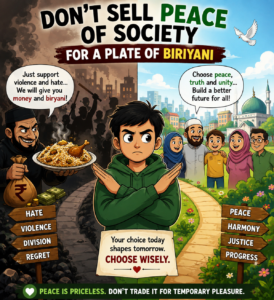
والشيخ الذي يقصد إثارة الفتنة والكراهية والانقسام بدلاً من الانسجام والسلام، لا يفعل سوى المساهمة في العنف الذي يُرتكب باسم الإسلام.
الإسلام لا ينبغي أبداً أن يُستخدم سلاحاً للفرقة. فالعدل والرحمة والحق والسلام يجب أن تكون أولاً.
توجيهات تخدم غايات أعلى
من النقاط المهمة أن كثيراً من الممارسات في الإسلام تشجع الناس على الحفاظ على الانسجام وتقوية علاقتهم بالله بدلاً من التعلق المفرط بالعالم الحديث. فاللباس المحتشم، بما في ذلك ستر الجسد للرجال والنساء، يُشجَّع عليه كتعبير عن التواضع والعبودية. ويمكن استخدام الفن واللغة وجوانب أخرى من الحياة بطرق تقرب الإنسان إلى الله.
كما يضع الإسلام ضوابط للطعام. فاللحم مباح بشروط معينة. ويؤكد على الزواج كالطريقة الصحيحة لتأسيس الأسرة والعلاقة بين الرجل والمرأة. والعلاقات خارج إطار الزواج، بما فيها المساكنة بدون زواج، محرمة في التعاليم الإسلامية. والزواج يُعقد علناً ويعترف به المجتمع.
والعدل مبدأ أساسي آخر في الإسلام. فقد أكد النبي محمد ﷺ أن العدل يجب أن يُطبق بالتساوي بغض النظر عن ثروة الشخص أو مكانته الاجتماعية. وهناك أمثلة في التراث الإسلامي عومل فيها الغني والفقير بنفس القواعد، مما يظهر أن العدل لا ينبغي أن يعتمد على المال أو النفوذ. والقرآن يؤكد بقوة على الإنصاف والمساواة والوقوف بحزم مع العدل حتى لو كان ضد مصلحة الإنسان نفسه.
الانعكاس البشري لصفات الله
لله تعالى وحده الأسماء والصفات الحسنى المذكورة في أسماء الله الحسنى. أما نحن البشر، فلسنا مطالبين بأن نملك هذه الصفات كما يملكها الله، ولا أن ندّعي الصفات الإلهية. بل ينبغي أن نعكس بعض هذه الصفات بطريقة بشرية محدودة: كالرحمة والشفقة والمغفرة والصبر والحكمة والعدل.
ولهذا فإن نياتنا وكلامنا مهمان جداً. فمن يقدمون أنفسهم كعلماء دين وهم يتعمدون إثارة الفتنة والكراهية والانقسام أو الصراع، يعملون ضد غاية جلب الخير والانسجام. وإذا لم تكن كلماتنا ستجلب نفعاً أو حكمة أو سلاماً، فالأفضل في كثير من الأحيان أن نصمت.
يعلّمنا الإسلام أن أصغر قدر من الخير أو الشر له قيمته. فكل عمل صالح له أجر حتى لو كان بمثقال ذرة، ونحن مسؤولون أيضاً عن الضرر الذي نحدثه. لذلك ينبغي أن نفكر جيداً في عواقب أقوالنا وأفعالنا.
طريقتان ذواتا معنى للعيش
في النهاية، هناك طريقتان ذواتا معنى للعيش: أن نستمتع بجمال خلق الله مع الشكر له، وأن نذكر الله في أفكارنا وأقوالنا وأفعالنا. والتوازن هو أن نستمتع بما خلقه الله دون أن تجعلنا الأشياء الدنيوية ننسى الخالق.
الاختيار لا الإكراه
وباختصار: لهم دينهم ولنا ديننا. الأمر كله اختيار لا إكراه.
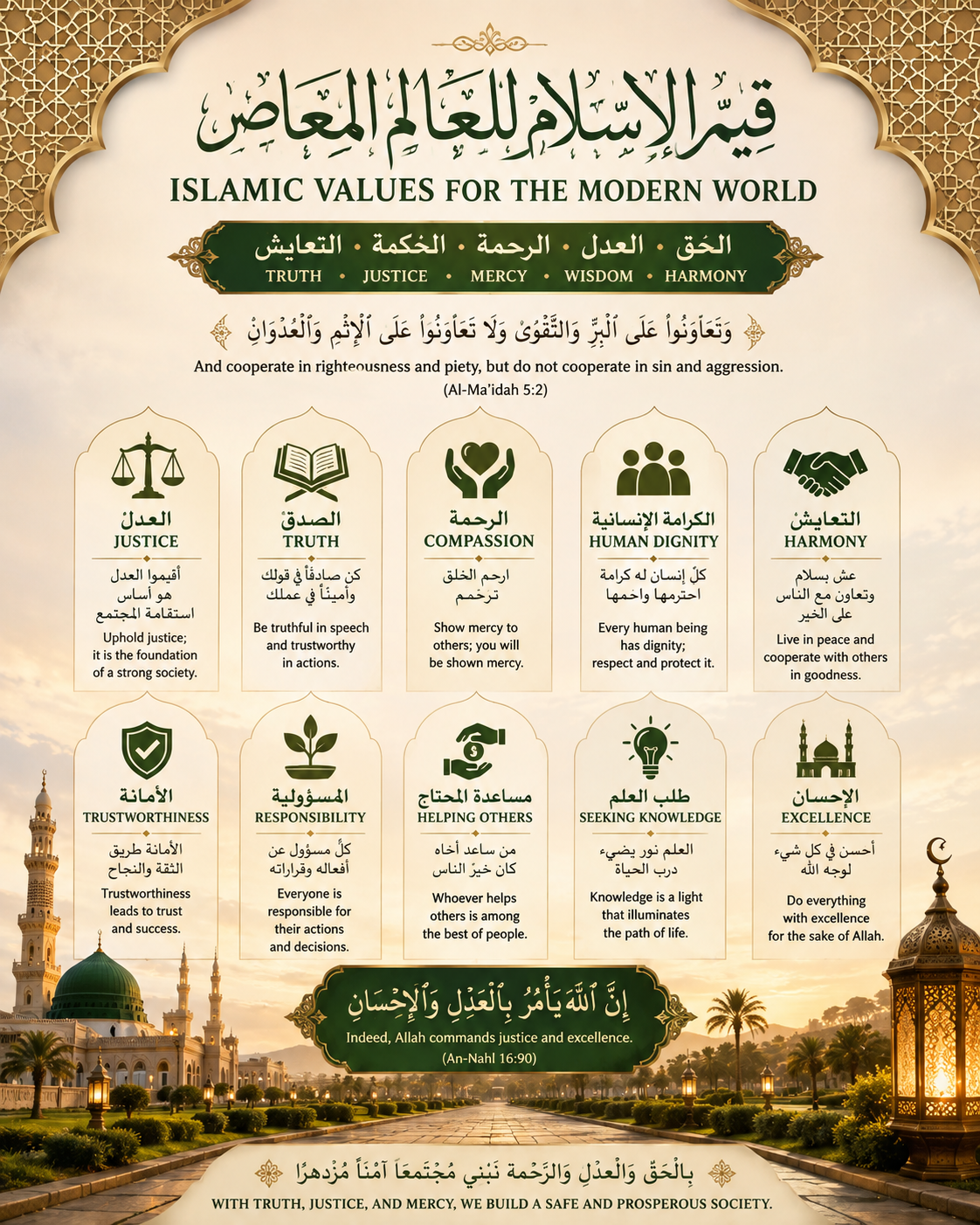
بعض القواعد من القرن السابع قد تظل صالحة اليوم، وبعضها الآخر قد لا يناسب العالم الحديث. وبدلاً من اتباع كل قاعدة تاريخية حرفياً، ينبغي أن نحافظ على القيم الأعمق التي تقف وراءها، ونكيّفها مع مجتمعنا الحاضر. وينبغي أن نتغلب على الشر من خلال القوانين العادلة، والحق، والعدل، والانسجام، والرحمة، والكرامة الإنسانية، والسعي إلى الكمال الأخلاقي، فنخلق نظاماً يحمي الجميع ويعزز السلام والإنصاف والحرية المسؤولة.
لا يوجد عبادة للأصنام في الإسلام
ملاحظة:
المقصود بالعبادة هو الاعتراف بأن الله هو صاحب القدرة المطلقة
والقادر على كل شيء، ولذلك فهو وحده المستحق للعبادة.
احترام الأولياء والأنبياء
الذهاب إلى الأولياء (الصالحين) و
الأنبياء هو من باب إظهار الاحترام والتكريم لهم،
ولا يعني عبادتهم.
🌿 الاحترام ليس عبادة.
العبادة لله وحده.
Why I Still Believe in Prophet Muhammad ﷺ — But Reject the Darkness Created by Some Religious Preachers
I still regard Prophet Muhammad ﷺ as the final messenger of Islam and hold deep respect for him. That respect does not come from every person who claims to speak in his name. It does not come from preachers who reduce a profound spiritual message to endless debates about what he ate, how he performed minor physical actions, or which seventh-century details must be obsessively imitated.
My respect comes from something deeper: the light I associate with his message, and the light that millions of people still feel when they remember him. That light matters.
Rules Exist for a Higher Purpose
I believe religious rules were not given merely to multiply rules. They were given to create order, responsibility, justice, and peace. The intention behind a moral system matters as much as the system itself.
What draws me to Islam is the depth of the teachings associated with Prophet Muhammad ﷺ. He emphasized pure monotheism — belief in one God, Allah — and introduced the beautiful concept of Asma’ul Husna, the 99 Names of Allah. These names help believers understand and connect with God’s attributes. I also appreciate the spiritual sensitivity and beauty of the Arabic language in Islamic worship and scripture, especially the way it conveys meaning and reverence.
Islam places strong emphasis on maintaining a clear and alert mind. The prohibition of intoxicants exists because they impair judgment, self-control, and the ability to distinguish right from wrong. This principle encourages conscious, responsible living.
Standing Against Wrongdoing
Islam does not merely speak about good values; it calls people to stand against wrongdoing. For me, the example of Imam Hussain remains especially powerful. He stood firmly against injustice despite the personal cost. His stand represents courage, integrity, and the willingness to sacrifice worldly comfort for principle.
Religious teachings should ultimately be judged by how sincerely people live them. Some speak eloquently about morality and justice yet remain silent when money, status, or personal interest is at stake. That kind of selective silence stands far from the spirit of Imam Hussain, whose stand was rooted in principle rather than gain.
I am also reminded of the reported counsel of Caliph Umar about moderation in eating meat — warning that excess can resemble the effect of wine. Even what is permissible should be approached with self-discipline. True religious leadership does not only preach these values; it embodies them.
A Warning to Those Who Create Fitna
Fake sheikhs should remember this clearly: even if a person prays for a thousand years in the holiest mosque and performs fifty rak‘ahs every day, they will never approach the rank of Imam Hussain if they commit or enable injustice.
Prayer is personal and private. No sheikh has authority to judge another person’s relationship with God.
A religious figure whose real intention is to create fitna, hatred, and division — instead of harmony and peace — only fuels the violence committed in the name of Islam.
Islam must never be turned into a weapon for division. Justice, mercy, truth, and peace must come first.
Guidance That Serves Higher Purposes
Many Islamic practices are designed to strengthen a person’s relationship with Allah and maintain inner harmony rather than deep attachment to the temporary world. Modest dress for both men and women is encouraged as an expression of humility and devotion. Art, language, and other aspects of life can be directed toward bringing a person closer to God rather than away from Him.
Islam also provides clear guidance on food, family, and social relations. Meat is permitted under specific conditions. Marriage is presented as the proper foundation for family and intimate relationship between a man and a woman; relationships outside marriage, including cohabitation without marriage, are prohibited. Marriage is meant to be conducted openly and recognized by the community.
Justice receives particular emphasis. The Prophet Muhammad ﷺ taught that justice must be applied equally, regardless of wealth or social status. Islamic tradition contains examples in which the powerful and the weak were held to the same standard. The Qur’an repeatedly calls believers to stand firmly for justice, even when it goes against their own interests or those of their relatives.
Reflecting Divine Attributes Humanly
Allah alone possesses the perfect attributes described in the Asma’ul Husna. Human beings are not meant to claim divine qualities. We are invited to reflect certain attributes in a limited, human way — mercy, compassion, forgiveness, patience, wisdom, and justice.
This is why intention and speech matter so deeply. Those who present themselves as religious scholars yet deliberately spread fitna, hatred, or division act against the very purpose of religion. When words will not bring benefit, wisdom, or peace, silence is often the better choice.
Islam teaches that even the smallest act of good or harm carries weight. A good deed as small as an atom has value, and we remain accountable for the harm we create. Therefore we must think carefully about the consequences of what we say and do.
Two Meaningful Ways to Live
Ultimately there are two complementary ways to live well: to appreciate and enjoy the beauty of Allah’s creation while remaining grateful, and to remember Allah through thoughts, words, and actions. The balance is to enjoy what has been created without allowing worldly things to make us forget the Creator.
Choice, Not Compulsion
In the end: for them, their religion; for us, our religion. It is about choice, not force.
Some rules from the seventh century may still serve people well today. Others may not fit the conditions of the modern world. Rather than following every historical detail literally, we should preserve the deeper values behind them — justice, truth, compassion, human dignity, and the pursuit of moral excellence — and adapt their expression to present-day society.
We overcome darkness not by more rigid imitation of the past, but by building systems grounded in just laws, truth, harmony, compassion, and responsible freedom. These are the principles that protect everyone and create lasting peace.
There Is No Idol Worship in Islam
Note: Worship refers to recognizing Allah
as the One with ultimate power and the ability to do all things,
and therefore He alone deserves worship.
Respect for Awliya and Prophets
Going to the Awliya (righteous people) and
Prophets is an act of showing respect and
honoring them; it does not mean worshipping them.
🌿 Respect is not worship.
Worship belongs to Allah alone.