من تعليم الأطفال ثقافة الصراع إلى تمكينهم من بناء المستقبل
أحيانًا يمكن لمقطع فيديو أن يجعلنا نتوقف ونسأل سؤالًا بسيطًا جدًا:
هل نعلّم الأطفال كيف يبنون مستقبلًا أفضل، أم نعلّمهم كيف يواصلون صراعات الماضي؟
مؤخرًا، شاهدت مقطع فيديو يُقال إنه يُظهر أطفالًا فلسطينيين يتلقون تدريبًا عسكريًا باستخدام الأسلحة. لا أستطيع التحقق بشكل مستقل من كل تفاصيل ذلك المقطع تحديدًا، لكن الفكرة الأوسع المتمثلة في تعرّض الأطفال للأسلحة والثقافة العسكرية تستحق منا وقفة جادة للتفكير.
يجب أن يتعلم الأطفال كيف يصنعون ويبنون ويكتشفون ويبدعون، لا كيف يحملون أعباء صراعات صنعها الكبار.
أعظم مورد هو إمكانات الطفل
إذا كان شخص بالغ يمتلك ما يكفي من التأثير ليضع سلاحًا في يد طفل، فإن هذا التأثير نفسه يمكن أن يُستخدم في شيء أكثر قيمة بكثير.
علّم الطفل كيف يمكن استخدام الطاقة الشمسية لتوفير الكهرباء ودعم أنظمة المياه.
علّمه كيف يمكن تحلية مياه البحر.
علّمه الزراعة.
علّمه الإلكترونيات والحاسوب والهندسة والطب.
علّمه كيفية إصلاح الآلات.
علّمه كيف يزرع الغذاء في الظروف الصعبة.
علّمه كيف ينشئ مشروعًا تجاريًا ويحل المشكلات.
أعطه أدوات تساعده على صناعة الحياة والحفاظ عليها بدلًا من أدوات التدمير.
هذه هي الاستثمارات الحقيقية في المستقبل.
ليكن الماء تحديًا نتعلم كيف نحله
تواجه غزة أزمة مياه شديدة، ولا يزال الحصول على المياه الآمنة تحديًا كبيرًا للأطفال والأسر.
وهذا يجعلني أفكر في الاتجاه الذي ينبغي أن نوجه إليه الإبداع البشري.
تخيل طفلًا يكبر وهو يتعلم:
«كيف يمكنني تحويل مياه البحر إلى مياه آمنة للشرب؟»
بدلًا من:
«كيف يمكنني استخدام السلاح؟»
هناك بالفعل أمثلة على استخدام الطاقة الشمسية وتقنيات تحلية المياه في مشاريع مائية في غزة. ويمكن لمثل هذه التقنيات أن تجعل الهندسة والطاقة المتجددة والتعليم العلمي جزءًا من إعادة بناء المجتمعات.
هذا هو النوع من التكنولوجيا الذي أتمنى أن يتحمس الأطفال لتعلمه.
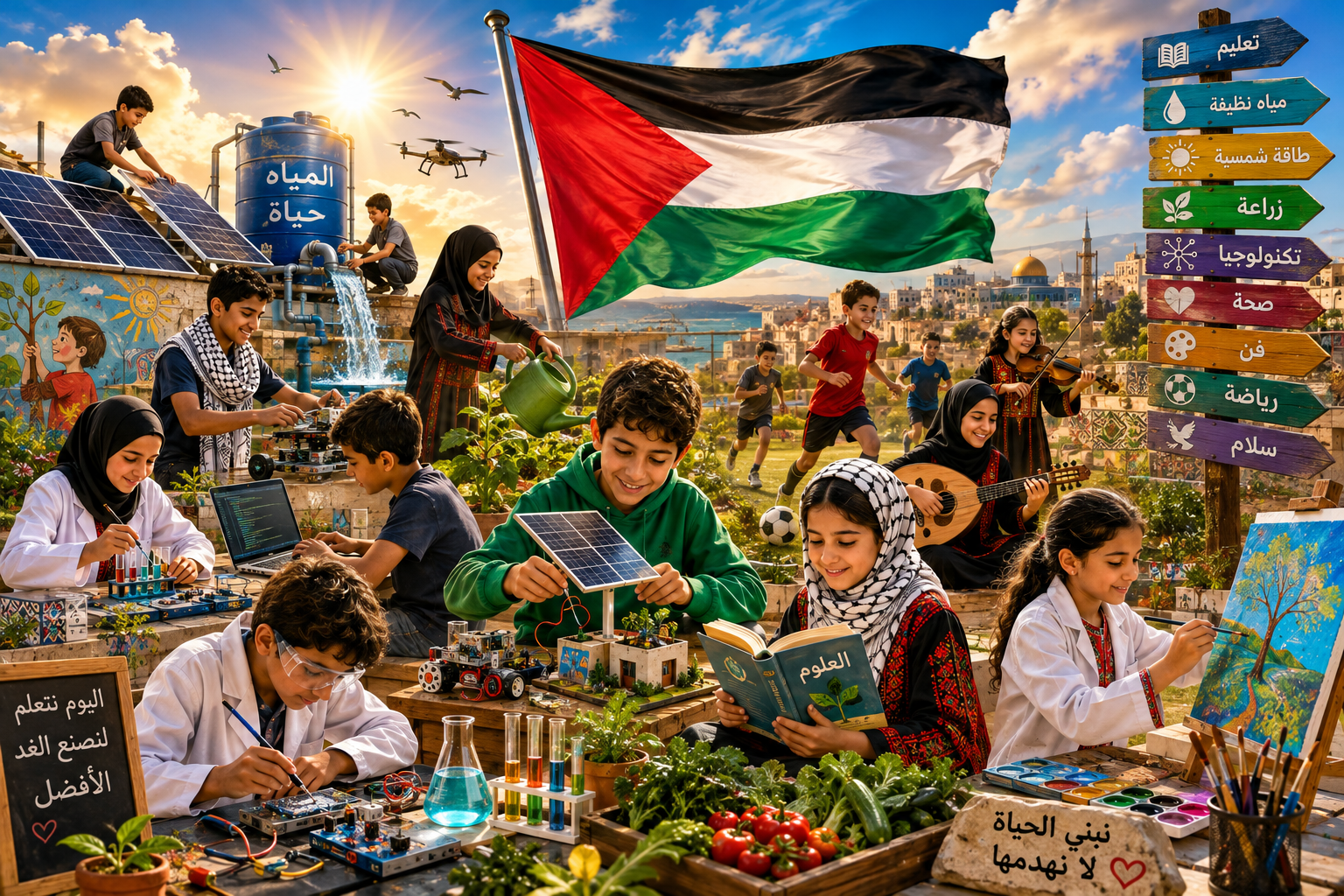
تخيل إنشاء معسكر للتكنولوجيا بدلًا من معسكر للسلاح
تخيل مئات الأطفال يتعلمون معًا تحت إشراف المعلمين والمهندسين والعلماء وأفراد المجتمع.
- مجموعة تتعلم كيفية بناء نظام صغير للطاقة الشمسية.
- مجموعة تتعلم تنقية المياه وتحليتها.
- مجموعة تتعلم الزراعة المائية.
- مجموعة تتعلم الإلكترونيات.
- مجموعة تتعلم البرمجة.
- مجموعة تتعلم الإسعافات الأولية والتوعية الصحية.
- مجموعة تتعلم زراعة الخضروات باستخدام كمية محدودة من المياه.
- ومجموعات أخرى تتعلم الموسيقى والرسم وكرة القدم والأدب وغيرها من الأنشطة السلمية.
وفي نهاية اليوم، يعود الأطفال إلى منازلهم وهم يحملون شيئًا صنعوه بأيديهم.
هذا هو الانتصار الذي يستحق الاحتفال.
امنح الأطفال أسبابًا ليحبوا الحياة
يتعلم الأطفال بطبيعتهم من البيئة المحيطة بهم.
إذا كانوا يرون الأسلحة والدمار والعنف يُحتفى به بشكل متكرر، فقد يبدأ العنف في الظهور كشيء طبيعي في أذهانهم.
لكن إذا رأوا المهندسين والمزارعين والأطباء والمعلمين والفنانين والعلماء ورواد الأعمال والرياضيين وهم يحظون بالتقدير، فقد يبدأون في تخيل أنفسهم كصنّاع ومبدعين ومساهمين في مجتمعهم.
هذا لا يعني أن الأطفال يجب أن ينسوا ما حدث لمجتمعاتهم.
بل يعني أنه يجب أن يحصلوا على فرصة لتخيل مستقبل يتجاوز تلك الأحداث.
الأطفال يستحقون مستقبلًا أكبر من الظروف التي وُلدوا فيها.
لا ينبغي للأطفال أن يحملوا حروب الكبار
الكبار يتخذون القرارات السياسية.
الكبار ينشئون المنظمات.
الكبار يتفاوضون حول الحدود.
الكبار يتخذون القرارات العسكرية.
الكبار يتحملون مسؤولية الصراعات.
لا ينبغي للأطفال أن يرثوا كل ذلك باعتباره هويتهم.
يجب أن يُسمح للطفل بأن يحلم بأن يصبح طبيبًا دون أن يشعر بأنه يجب أن يصبح مقاتلًا أولًا.
يجب أن يُسمح له بأن يحلم بأن يصبح مهندسًا.
أو مزارعًا.
أو معلمًا.
أو مبرمجًا.
أو مخترعًا.
أو لاعب كرة قدم.
أو فنانًا.
أو عالمًا.
أو مجرد إنسان يريد أن يعيش بسلام.
هناك أشياء أفضل يمكننا أن نكافح من أجلها
إذا كنا نريد حقًا أن نعلّم الأطفال الشجاعة، فلنعلّمهم مواجهة المشكلات التي تهدد حياة الإنسان:
- شح المياه
- الجوع
- الأمراض
- البطالة
- التلوث
- الأمية
- الفقر
- البنية التحتية المتضررة
- تغير المناخ
هذه تحديات تستحق أن نعمل على التغلب عليها.
تخيل جيلًا من الشباب يتنافسون حول من يستطيع إنتاج مياه شرب نظيفة بأسعار أقل.
ومن يستطيع زراعة أكبر كمية من الغذاء باستخدام أقل كمية من المياه.
ومن يستطيع تطوير طاقة شمسية بأسعار معقولة.
ومن يستطيع تطوير تقنيات طبية أفضل.
ومن يستطيع إعادة بناء المدارس.
ومن يستطيع إنشاء شركة عظيمة.
هذا النوع من المنافسة يمكن أن يغيّر مجتمعًا بأكمله.
من فضلك، لا تهدر طاقة البشر في التدمير
قد يبدو العنوان استفزازيًا، لكن الفكرة التي يقف وراءه بسيطة:
لا ينبغي أن نهدر طاقة بشرية هائلة في التدمير عندما يمكن توجيه الطاقة نفسها إلى حل المشكلات الصعبة.
يمتلك الإنسان قدرة استثنائية على حل المشكلات التي تبدو مستحيلة.
فالمنطقة التي تعاني من نقص المياه يمكنها الاستثمار في تحلية المياه والحفاظ على الموارد المائية.
والمجتمع الذي يعاني من نقص الغذاء يمكنه الاستثمار في الزراعة والأنظمة الغذائية.
والأشخاص الذين يواجهون البطالة يمكن منحهم فرصًا في التعليم والتدريب المهني والتكنولوجيا وريادة الأعمال.
والأطفال الذين يعانون من آثار الصدمات النفسية يمكن منحهم التعليم والرياضة والفن والدعم النفسي وأماكن آمنة للعب.
والأطفال الذين يعيشون وسط الصراع يمكن أن نريهم أن هناك هوية أخرى يمكنهم اختيارها؛ هوية تقوم على التعلم والإبداع والتعاطف والمساهمة.
أعظم إنجاز للطفل ليس أن يتعلم كيف يمسك بندقية.
بل أن يكتشف أن يديه قادرتان على بناء شيء أفضل.
إذا كان لدى شخص ما التأثير الذي يمكّنه من تعليم طفل كيف يقاتل، فأنا أتمنى أن تكون لديه أيضًا الشجاعة ليعلّم ذلك الطفل كيف يبني.
لأن العالم لا يحتاج إلى جيل آخر يعرف كيف يدمر فقط.
الطفل يحتاج إلى التغذية ليبني المستقبل
التعليم لا يعني فقط وضع المعلم أمام الطفل.
فالطفل يحتاج إلى جسم صحي وعقل سليم حتى يتمكن من التعلم والتركيز وصنع الفن وممارسة الرياضة وفهم العلوم وتطوير مهارات جديدة.
وهذا يعني أن التغذية يجب أن تكون أيضًا جزءًا من إعادة بناء مستقبل الطفل.
تخيل مركزًا تعليميًا للأطفال، إلى جانب الرياضيات والإلكترونيات والزراعة والفنون والحاسوب والعلوم، يتعلم فيه الأطفال أيضًا أساسيات التغذية.
يمكنهم أن يتعلموا كيف توفر الأطعمة البروتين والحديد والفيتامينات والمعادن والدهون الصحية والطاقة.
ويمكنهم أن يتعلموا كيفية زراعة الخضروات.
ويمكنهم أن يتعلموا كيفية إعداد وجبات مغذية باستخدام الأطعمة المتوفرة محليًا.
ويمكنهم أن يتعلموا لماذا تساعد التغذية الكافية على دعم النمو والتعلم والتطور.
قد يواجه الطفل الجائع أو الذي يعاني من سوء التغذية صعوبة في التركيز والمشاركة في التعليم. أما توفير التغذية الكافية فيمنح الطفل قاعدة أفضل للتعلم واللعب والإبداع والمشاركة في المجتمع.
لذلك لا ينبغي أن يكون الهدف ببساطة:
«علّم الطفل شيئًا.»
بل ينبغي أن يكون:
«امنح الطفل الصحة والتغذية والأمان والتعليم الذي يحتاج إليه حتى يتعلم ويستخدم ما تعلمه.»
تخيل جيلًا من الأطفال يكبر وهو يتعلم العلوم والفن والتغذية والزراعة والتكنولوجيا والموسيقى والرياضة، وفي الوقت نفسه يتعلم كيف يعتني بنفسه وبمجتمعه.
هذا ليس مجرد تعليم.
إنه استثمار في إعادة بناء المستقبل.
From Teaching Children the Culture of Conflict to Empowering Them to Build the Future
Sometimes a video can make us stop and ask a very simple question:
Are we teaching children how to build a better future, or teaching them how to continue the conflicts of the past?
Recently, I came across a video reportedly showing Palestinian children receiving military-style training with weapons. I cannot independently verify every detail of that particular video, but the broader question of children being exposed to weapons and a culture of violence deserves serious reflection.
Children should be given opportunities to create, build, discover, and contribute—not to carry the burdens of conflicts created by adults.
The Greatest Resource Is a Child’s Potential
If an adult has enough influence to teach a child how to handle a weapon, that same influence could perhaps be directed toward something far more valuable.
Teach a child how solar energy can provide electricity and support water systems.
Teach them about desalination.
Teach them agriculture.
Teach them electronics, computers, engineering, and medicine.
Teach them how to repair machines.
Teach them how to grow food in difficult conditions.
Teach them entrepreneurship and problem-solving.
Give a child tools that create and sustain life rather than tools designed for destruction.
That is an investment in the future.
Let Water Become the Challenge We Learn to Solve
Gaza faces a severe water crisis, and access to safe water remains a major challenge for children and families.
This should make us think about where human creativity can be directed.
Imagine a child growing up asking:
“How can I turn seawater into safe drinking water?”
rather than:
“How can I learn to use a weapon?”
There are already examples of solar energy and desalination technologies being explored in water projects in Gaza. Such technologies can make engineering, renewable energy, and scientific education part of rebuilding communities.
This is the kind of technology I would love to see children becoming excited about.
Imagine a Technology Camp Instead
Imagine hundreds of children learning together under the guidance of teachers, engineers, scientists, and community members.
- One group learns how to build a small solar-energy system.
- Another learns about water purification and desalination.
- Another explores hydroponic agriculture.
- Another studies electronics.
- Another learns programming.
- Another learns first aid and basic health education.
- Another learns how to grow vegetables using limited water.
- Others discover music, painting, football, literature, and other peaceful activities.
At the end of the day, the children return home carrying something they have created with their own hands.
That is a victory worth celebrating.
Give Children Reasons to Love Life
Children naturally learn from the environment around them.
If they repeatedly see weapons, destruction, and violence being celebrated, violence can begin to appear normal in their minds.
But if they see engineers, farmers, doctors, teachers, artists, scientists, entrepreneurs, and athletes being respected, they may begin to imagine themselves as creators and contributors.
This does not mean children should forget what happened to their communities.
It means they should be given the opportunity to imagine a future beyond those events.
Children deserve a future larger than the circumstances they were born into.
Children Should Not Carry the Wars of Adults
Adults make political decisions.
Adults create organizations.
Adults negotiate borders.
Adults make military decisions.
Adults carry responsibility for conflicts.
Children should not be expected to inherit all of this as their identity.
A child should be allowed to dream of becoming a doctor without feeling that they must first become a fighter.
They should be allowed to dream of becoming an engineer.
A farmer.
A teacher.
A programmer.
An inventor.
A football player.
An artist.
A scientist.
Or simply a human being who wants to live peacefully.
There Are Better Things to Struggle Against
If we truly want to teach children courage, let us teach them to confront the problems that threaten human life:
- Water scarcity
- Hunger
- Disease
- Unemployment
- Pollution
- Illiteracy
- Poverty
- Damaged infrastructure
- Climate change
These are challenges worth overcoming.
Imagine a generation of young people competing over who can produce affordable clean drinking water.
Who can grow the most food using the least amount of water.
Who can develop affordable solar energy.
Who can develop better medical technologies.
Who can rebuild schools.
Who can create a great company.
That kind of competition could transform an entire society.
Please, Don’t Waste Human Energy on Destruction
The title may sound provocative, but the idea behind it is simple:
Human energy should not be wasted on destruction when that same energy could be directed toward solving difficult problems.
Human beings have an extraordinary capacity to solve seemingly impossible challenges.
A region facing water shortages can invest in desalination and water conservation.
A community facing food insecurity can invest in agriculture and food systems.
People facing unemployment can be given opportunities in education, vocational training, technology, and entrepreneurship.
Children affected by trauma can be offered education, sports, art, psychological support, and safe places to play.
Children growing up amid conflict can be shown that they have another identity available to them—one based on learning, creativity, compassion, and contribution.
The greatest achievement for a child is not learning how to hold a weapon.
It is discovering that their own hands are capable of building something better.
If someone has enough influence to teach a child how to fight, I hope they can also find the courage to teach that child how to build.
Because the world does not need another generation that knows only how to destroy.
A Child Needs Nutrition to Build the Future
Education is not simply about putting a teacher in front of a child.
A child needs a healthy body and a supported mind to learn, concentrate, create art, play sports, understand science, and develop new skills.
That means nutrition should also be part of rebuilding a child’s future.
Imagine an educational center where, alongside mathematics, electronics, agriculture, art, computers, and science, children also learn basic nutrition.
They could learn how different foods provide protein, iron, vitamins, minerals, healthy fats, and energy.
They could learn how to grow vegetables.
They could learn how to prepare nutritious meals using locally available foods.
They could learn why adequate nutrition supports healthy growth, learning, and development.
A hungry or undernourished child may struggle to concentrate and participate fully in education. Providing adequate nutrition gives children a stronger foundation from which they can learn, play, create, and contribute to their communities.
So the goal should not simply be:
“Teach the child something.”
It should be:
“Give the child the health, nutrition, safety, and education needed to learn—and the opportunity to use that knowledge.”
Imagine a generation growing up learning science, art, nutrition, agriculture, technology, music, and sports, while also learning how to care for themselves and their communities.
This is more than education.
It is an investment in rebuilding the future.